ColoWell America | Proctology and Aesthetics Care

When it comes to rectal discomfort, many people immediately think of hemorrhoids, but anal fissures are another common cause of pain in that area. Understanding the difference between hemorrhoids and fissures can be crucial in choosing the right treatment. This blog aims to help you discern between these conditions and answer questions like “how to tell if you have hemorrhoids or fissures” so you can take steps toward effective relief and recovery.

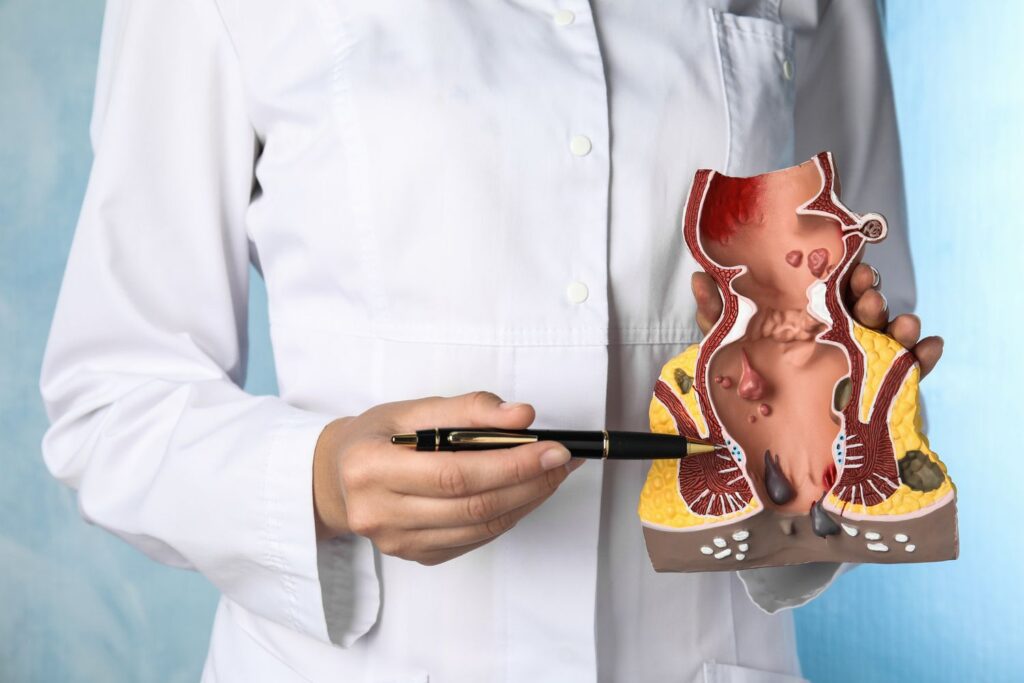
doctor pointing at anal fissures on a figure showing hemorrhoids and anal fissures inside

What Are Hemorrhoids?

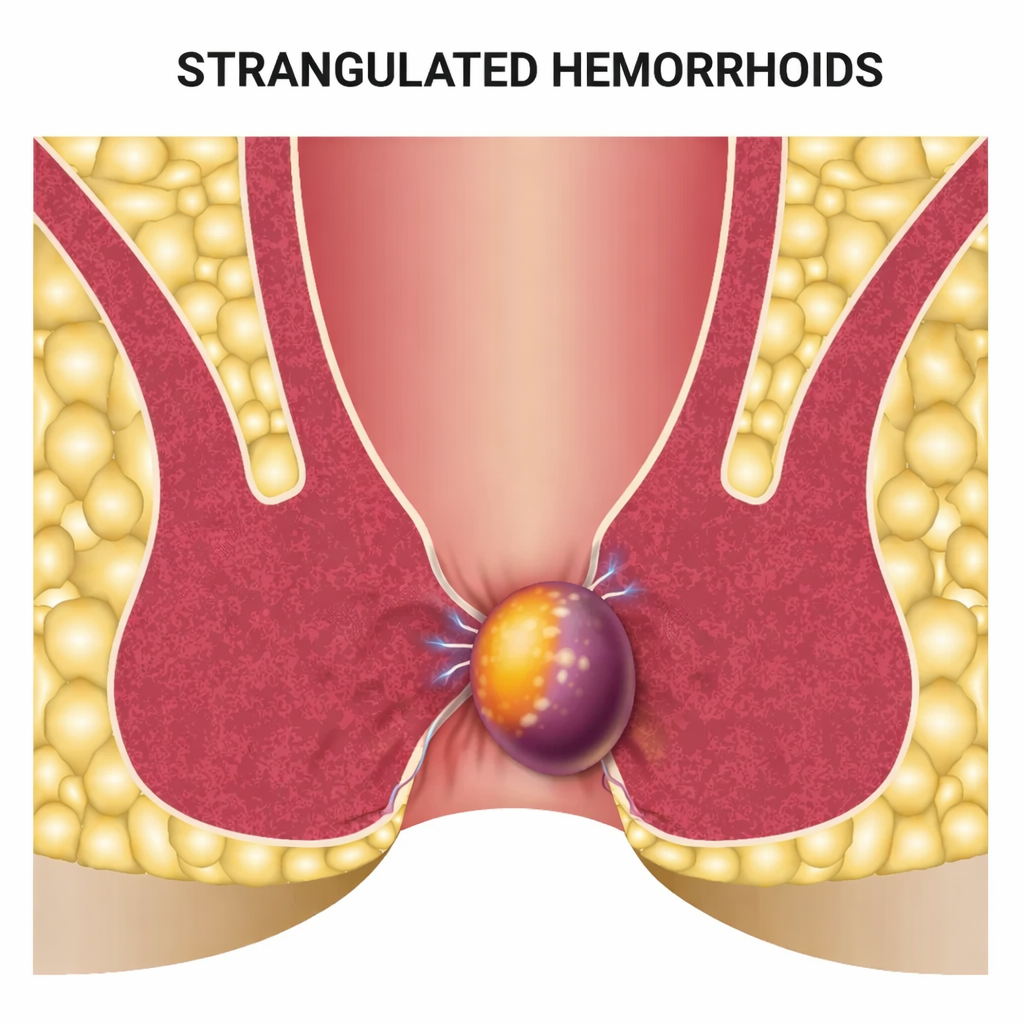
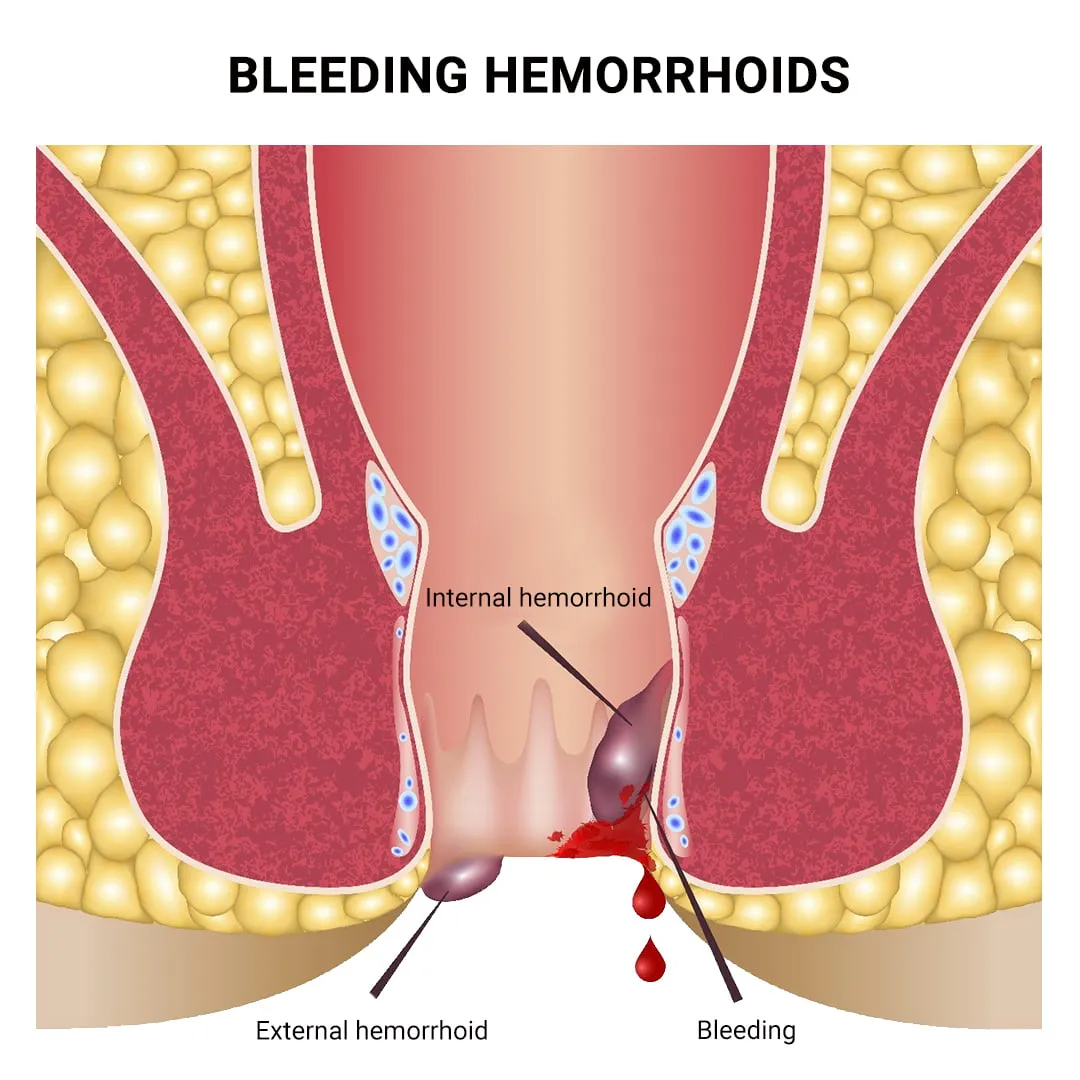
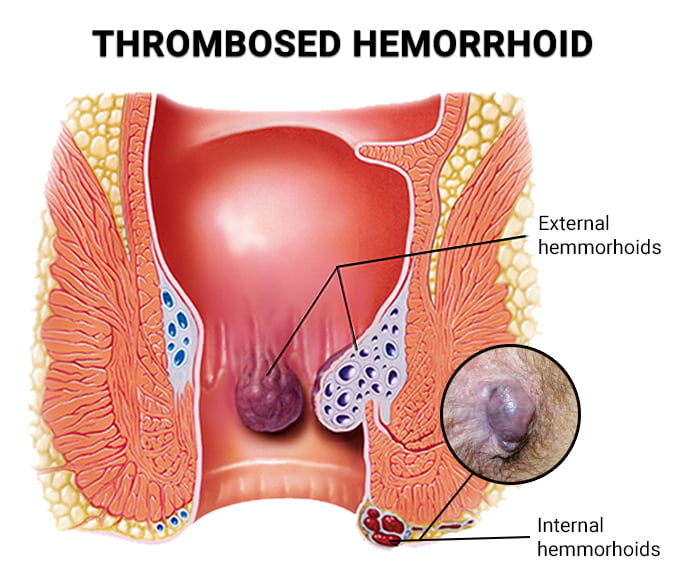
Hemorrhoids are swollen veins located in the rectum or anus, similar to varicose veins in the legs. They can be either internal (inside the rectum) or external (under the skin around the anus). Hemorrhoids are quite common and can develop due to various factors like straining during bowel movements, prolonged sitting, pregnancy, or aging. Symptoms of hemorrhoids may include:

  • Pain or discomfort while sitting or during bowel movements
  • Itching around the anus
  • Swelling near the anus
  • Bleeding after bowel movements, especially with internal hemorrhoids
  • A lump near the anus, which could indicate an external hemorrhoid

Hemorrhoids are usually not serious, but the symptoms can cause significant discomfort and impact daily life. Treatments vary from lifestyle changes to topical treatments and, in more severe cases, minimally invasive procedures.

What Are Anal Fissures?

An anal fissure is a small tear in the lining of the anus, often resulting from passing hard or large stools, straining, or constipation. The tear causes the anal sphincter muscle to spasm, leading to sharp pain and discomfort, especially during bowel movements. Key symptoms of anal fissures include:

  • Sharp pain during and after bowel movements, often described as a tearing sensation
  • Visible tear or cut in the skin around the anus
  • Blood on the surface of stool or toilet paper
  • Itching or irritation around the anus

Unlike hemorrhoids, which are swollen blood vessels, fissures are open wounds that can take time to heal, particularly if aggravated by constipation or straining. Chronic fissures may require more specialized treatments if they do not respond to initial care.

Hemorrhoids vs. Fissures: How to Tell the Difference

Since both conditions share symptoms like rectal pain and bleeding, it can be challenging to distinguish between them. However, here are some ways to help tell if you have hemorrhoids or fissures:

Type of Pain:

Hemorrhoids tend to cause a dull, aching discomfort, whereas fissures are more likely to result in sharp, intense pain, particularly during bowel movements.

Location of Discomfort:

Hemorrhoids, especially external ones, may cause lumps or swelling near the anus, while fissures cause a visible tear or cut, often accompanied by severe, localized pain.

Bleeding Patterns:

Both conditions may cause light bleeding, but hemorrhoid-related bleeding is often internal and seen with stool, while fissure bleeding is often minimal and noticed on toilet paper.

Itching vs. Burning Sensation:

Hemorrhoids are often accompanied by itching due to the irritated skin, whereas fissures generally cause a burning sensation and severe pain.

Duration and Aggravation:

Hemorrhoid pain often fluctuates, while fissure pain can persist and become worse over time, especially if not properly treated.

Preventing and Managing Hemorrhoids and Anal Fissures

Preventing hemorrhoids and fissures can often be achieved through lifestyle changes:

  • Dietary Adjustments: Increasing fiber intake with foods like fruits, vegetables, and whole grains can help prevent constipation, which is a major contributor to both conditions.
  • Stay Hydrated: Drinking plenty of water can soften stools, making bowel movements easier and reducing strain.
  • Exercise Regularly: Physical activity promotes regular bowel movements, reducing the chances of constipation.
  • Avoid Straining: If you experience constipation, avoid prolonged straining, which can aggravate both hemorrhoids and fissures.

Treatment Options: What Colowell America Can Offer

At Colowell America, we understand that dealing with rectal discomfort can be distressing. Whether you’re suffering from hemorrhoids, fissures, or both, our team provides advanced solutions to help you find relief.

For hemorrhoids, we offer minimally invasive treatments that address swelling and discomfort, promoting a quicker recovery with minimal downtime. For anal fissures, our therapies focus on relieving pain and promoting tissue healing. Our treatments are tailored to each patient’s unique needs, helping to alleviate symptoms and improve quality of life.

When to Seek Medical Help

If you’re experiencing persistent pain, bleeding, or any symptoms that affect your daily activities, it may be time to consult a healthcare professional. Differentiating between hemorrhoids vs. fissures can be challenging, but with the right diagnosis and treatment plan, you can find relief and restore comfort.

Understanding the difference between hemorrhoids and fissures is essential for selecting the right treatment and managing symptoms effectively. If you’re unsure how to tell if you have hemorrhoids or fissures, seeking professional advice is always a good step. At Colowell America, we’re dedicated to providing specialized care and support. Reach out today to learn more about how our services can help you tackle rectal health issues effectively and comfortably.

-Disclaimer-

The information provided on this website is for educational and informational purposes only and is not intended as medical advice. Always consult with a qualified healthcare provider regarding any medical concerns, conditions, or treatment options. Individual results may vary. The information provided or services described are not intended to diagnose, treat, cure, or prevent any disease. Any medical or aesthetic procedure should be discussed thoroughly with a licensed professional before beginning treatment.

Scroll to Top