

If you’ve ever struggled with hemorrhoids, you know the discomfort they bring. For first-timers, it can be startling how much itchiness, sharp pain, and inconvenience can come from a condition as common as hemorrhoids. Sitting can feel unbearable, and there’s often a tinge of anxiety around bowel movements, worrying about the pain that may come with them.
Sound relatable? If so, you’re not alone. Hemorrhoids are one of the most common issues we see here at ColoWell America. Every week, many patients come in hoping to understand what’s happening with their bodies and find relief. In fact, we’re here to help you do just that: manage your symptoms, understand what can happen if they go untreated, and guide you on when it’s time to consult a doctor.
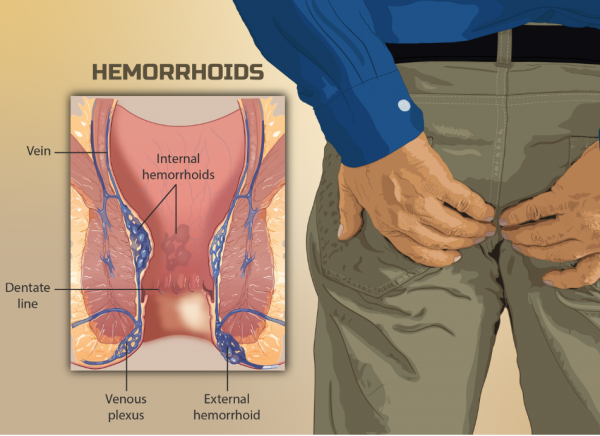
What Are Hemorrhoids?
To begin with, let’s get to the bottom of what hemorrhoids actually are. Hemorrhoids, sometimes known as “piles,” are swollen veins located inside or around the rectum and anus. When these blood vessels become swollen, they can cause a variety of uncomfortable symptoms. You might experience itching, pain, burning, or even bleeding. Hemorrhoids vary widely in severity, from mildly itchy and annoying to severe and intensely painful.
It’s important to remember that hemorrhoids are a common condition. Millions of people deal with them, so there’s no need to feel embarrassed or avoid seeking help. Doctors regularly address hemorrhoid issues, so don’t hesitate to make an appointment to discuss them.
Can Hemorrhoids Heal on Their Own?
The answer to this question varies. While it’s true that some hemorrhoids can heal without medical intervention, not all will. Many mild cases do resolve on their own within a few days, especially with over-the-counter treatments and some simple at-home care. However, some hemorrhoids are more persistent and may require further treatment to heal effectively. In more severe cases, untreated hemorrhoids can lead to complications that make things worse.
What Happens When You Leave Hemorrhoids Untreated?
While hemorrhoids themselves are not typically a serious health condition, untreated cases can lead to some unwelcome complications. Here are some of the potential issues:
Persistent Pain and Discomfort
When untreated, hemorrhoids can continue to cause pain, itching, and discomfort that interfere with daily life. Without intervention, these symptoms may even intensify.
Chronic Inflammation and Swelling
Hemorrhoids left untreated can remain swollen and inflamed for longer periods, increasing the risk of ongoing discomfort. Sitting, standing, and even walking can feel painful or irritating, impacting quality of life.
Increased Risk of Infection
Hemorrhoids can develop blood clots, known as thrombosed hemorrhoids, which are extremely painful and can become infected if left untreated. Symptoms of infection include fever, chills, and localized redness or heat in the affected area.
Excessive Bleeding
Untreated hemorrhoids that continue to bleed can lead to blood loss. Over time, this can result in anemia, causing symptoms like dizziness, fatigue, and weakness.
Prolapsed Hemorrhoids
Internal hemorrhoids can sometimes become prolapsed, meaning they extend outside the anus and may require manual repositioning. Prolapsed hemorrhoids can worsen over time if left untreated, leading to further pain and the possibility of strangulation, which cuts off blood flow and requires urgent medical care.
When Should I Seek Medical Attention for Hemorrhoids?
It’s normal to wonder when a trip to the doctor is necessary. A good rule of thumb is to consult a healthcare professional if you’ve been experiencing hemorrhoid symptoms for more than a week without improvement. It’s also essential to get medical advice if you’re dealing with recurring hemorrhoids that keep coming back despite lifestyle adjustments, like increasing fiber intake, staying hydrated, and avoiding prolonged sitting.
In addition, certain symptoms alongside hemorrhoids should prompt an immediate visit to the doctor. These include:
- Persistent fever or chills: Could indicate an infection.
- Lightheadedness or dizziness: May be a sign of anemia from blood loss.
- Excessive or sudden bleeding from the anus: This is always a cause for concern and requires evaluation.
- Discharge from the anus that is not blood: May indicate an.
- Presence of a large, hard lump in or around the anus: Could be a thrombosed hemorrhoid or abscess, which requires treatment to prevent further complications.
When dealing with hemorrhoids, steer clear of any extreme DIY remedies without speaking to a healthcare professional. Attempting to “pop” a hemorrhoid is a no-go; it can cause infection and make things much worse.
Hemorrhoid Treatment at the ColoWell America
If home treatments aren’t helping, professional treatment options are available. At the ColoWell America, our experts can help diagnose the condition, recommend a personalized treatment plan, and monitor for any signs of complications.
Treatment options range from non-invasive procedures like Rubber Band Ligation to surgical procedures for more severe cases. We can also assess if your symptoms might be part of a larger issue that needs attention.
Takeaway: Don’t Let Hemorrhoids Go Unchecked
Timely treatment can prevent hemorrhoids from escalating into a more serious issue and relieve discomfort, allowing you to get back to your routine without unnecessary pain. Whether it’s for a first-time consultation or ongoing support, we’re here to help you find relief and manage this common condition effectively.
-Disclaimer-
The information provided on this website is for educational and informational purposes only and is not intended as medical advice. Always consult with a qualified healthcare provider regarding any medical concerns, conditions, or treatment options. Individual results may vary. The information provided or services described are not intended to diagnose, treat, cure, or prevent any disease. Any medical or aesthetic procedure should be discussed thoroughly with a licensed professional before beginning treatment.