

Anorectal health issues can sometimes be challenging to understand, especially when symptoms overlap. Hemorrhoids and perianal abscesses are two conditions that, while distinct, can cause confusion due to similar symptoms like swelling and pain near the anus. However, these two conditions differ significantly in causes, symptoms, and treatments. This guide aims to clarify the differences between perianal abscesses and hemorrhoids to help individuals better understand their symptoms and seek appropriate care.
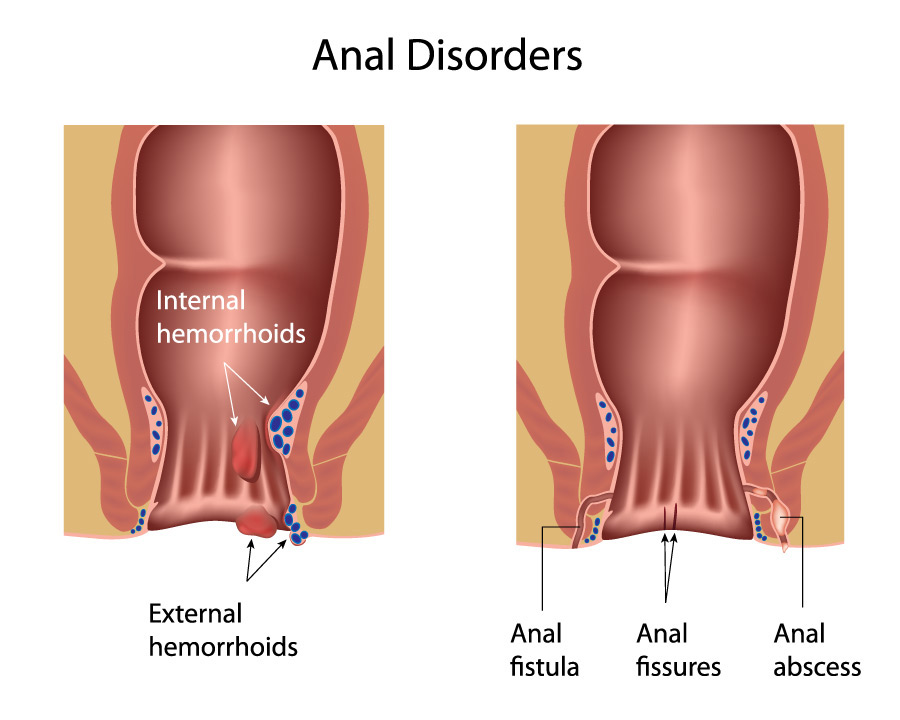
What is a Perianal Abscess?
A perianal abscess is an infection in the tissue surrounding the anus, often caused by a blocked anal gland or infection of other nearby structures. When this blockage occurs, it allows bacteria to grow, leading to the formation of a pus-filled cavity near the anus. Perianal abscesses are typically painful and may cause swelling, redness, and warmth around the affected area.
Common Symptoms of a Perianal Abscess:
- Severe, constant pain around the anus, which may worsen when sitting
- Swelling and redness near the anus
- Tenderness and warmth to the touch
- Pus discharge from the abscess
- Fever or malaise if the infection is more severe
What Are Hemorrhoids?
Hemorrhoids are swollen blood vessels in the lower rectum and anus. They can develop internally, within the rectum, or externally around the anus. Hemorrhoids are commonly caused by increased pressure in the veins of the lower rectum, often resulting from straining during bowel movements, prolonged sitting, or pregnancy.
Types of Hemorrhoids:
- Internal Hemorrhoids: Located inside the rectum and typically painless. They may bleed but often go unnoticed unless they become enlarged.
- External Hemorrhoids: Found under the skin around the anus, external hemorrhoids can cause pain, itching, and swelling. If a blood clot forms in an external hemorrhoid, it can become particularly painful.
Key Differences Between Hemorrhoids and Perianal Abscesses
Understanding the differences between hemorrhoids and perianal abscesses can help in distinguishing the two conditions and determining when to seek medical help.
1. Cause:
- Hemorrhoids are caused by increased pressure on the veins in the rectal and anal area, leading to swollen blood vessels.
- Perianal Abscesses result from bacterial infections, typically originating from a blocked anal gland or tissue infection near the anus.
2. Symptoms:
- Hemorrhoids generally cause symptoms like itching, discomfort, and, in some cases, minor bleeding. External hemorrhoids may be painful if a blood clot develops, but they typically do not involve pus.
Perianal Abscesses, on the other hand, produce more intense, continuous pain, and are often accompanied by signs of infection, such as redness, warmth, and pus discharge.
Pus and Hemorrhoids
Can hemorrhoids have pus?
One question that often arises is whether hemorrhoids can produce pus. Generally, hemorrhoids do not contain or discharge pus. If you notice pus around the anus, it is more likely a sign of an infection, such as a perianal abscess or a different condition like an anorectal fistula. Although hemorrhoids and perianal abscesses may occur simultaneously, pus around hemorrhoids typically signals an infection or a complication that requires medical attention.
Hemorrhoids vs. boil
Unlike boils, which are skin infections that form pus, hemorrhoids do not produce pus. Boils may appear near the anus and can be mistaken for hemorrhoids due to similar symptoms like swelling and pain.
Hemorrhoids vs. Perianal Abscess: Why It Matters
Although some symptoms overlap, it is essential to differentiate between hemorrhoids and perianal abscesses because they require different treatments. Ignoring an abscess can lead to severe complications, including sepsis if the infection spreads. Proper diagnosis can help prevent these outcomes and relieve symptoms more effectively.
Treatment for Hemorrhoids:
For mild hemorrhoid symptoms, lifestyle changes like increased fiber intake, staying hydrated, and using over-the-counter treatments may relieve discomfort. Severe cases may require medical treatments such as rubber band ligation, sclerotherapy, or, in extreme cases, surgery.
Treatment for Perianal Abscess:
Unlike hemorrhoids, a perianal abscess usually requires prompt medical intervention to drain the pus and alleviate the infection. Without drainage, the abscess may worsen or lead to the formation of a fistula, an abnormal connection between the anal canal and the skin. Antibiotics alone are generally not effective for treating an abscess and are typically only prescribed alongside drainage.
When to Seek Medical Attention
If you experience persistent pain, swelling, or pus discharge near the anus, it is essential to consult a healthcare provider. Hemorrhoids that do not respond to home treatments or that cause significant bleeding also warrant medical attention. An accurate diagnosis can guide appropriate treatment and provide faster relief from symptoms.
While hemorrhoids and perianal abscesses may share similar locations and some overlapping symptoms, understanding their differences is crucial for effective management and prevention of complications. Hemorrhoids involve swollen veins and generally do not produce pus, while a perianal abscess is an infection that requires prompt treatment to prevent further issues. If you are experiencing symptoms that could indicate either condition, particularly if there is pus or severe pain, consulting our team of experts is the best course of action to ensure proper care and relief.
-Disclaimer-
The information provided on this website is for educational and informational purposes only and is not intended as medical advice. Always consult with a qualified healthcare provider regarding any medical concerns, conditions, or treatment options. Individual results may vary. The information provided or services described are not intended to diagnose, treat, cure, or prevent any disease. Any medical or aesthetic procedure should be discussed thoroughly with a licensed professional before beginning treatment.