

A hemorrhoid diet focuses on foods that can ease symptoms, promote digestive health, and prevent further irritation of hemorrhoids. Hemorrhoids, also known as piles, are swollen veins in the lower rectum and anus that can cause discomfort, pain, and bleeding. While they can be triggered by various factors, diet plays a significant role in managing and preventing flare-ups. Choosing the right foods can help alleviate symptoms and even support faster recovery.
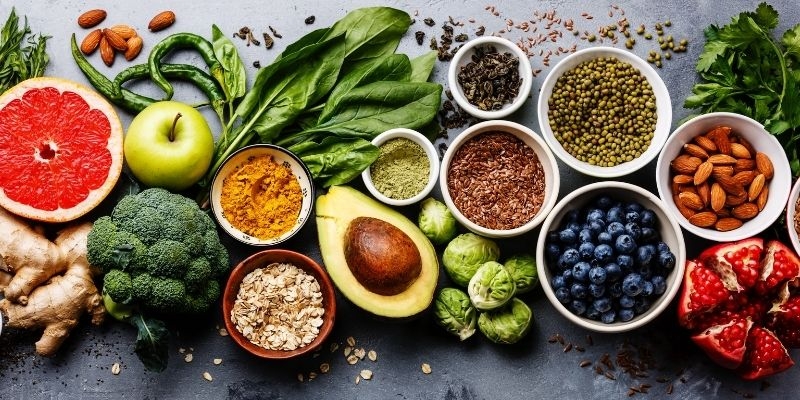
Why Your Diet Matters When You Have Hemorrhoids
The right diet is critical in managing hemorrhoid symptoms. Constipation, which often aggravates hemorrhoids, is commonly linked to a lack of dietary fiber. By including foods that support soft and easy-to-pass stools, you can reduce straining during bowel movements, a primary contributor to hemorrhoid discomfort. A hemorrhoid-friendly diet can help relieve irritation, reduce inflammation, and promote healing while also providing the nutrients needed to maintain overall health.
High-Fiber Foods: The Foundation of Hemorrhoid Care
Fiber is essential in a hemorrhoid diet as it helps soften stools, making them easier to pass and reducing strain. Here are high-fiber foods that are particularly beneficial:
- Whole Grains: Brown rice, oats, barley, and whole-grain bread are excellent sources of fiber.
- Fruits and Vegetables: Apples, pears, berries, carrots, and leafy greens are high in fiber and provide antioxidants that support recovery.
- Legumes: Lentils, chickpeas, and beans are fiber-rich and can help regulate bowel movements.
Aim to incorporate these foods throughout your daily meals to ensure a regular intake of fiber. Adults are recommended to consume about 25–30 grams of fiber daily, but increase gradually to avoid gas and bloating.
Adequate Hydration
Staying hydrated is as important as consuming fiber. Fiber works best with water, helping to soften stools and prevent constipation. Dehydration, on the other hand, can lead to hard stools that are difficult to pass. To support a hemorrhoid-friendly diet:
- Drink at least 8 glasses of water daily.
- Limit caffeinated and sugary beverages, as they can lead to dehydration.
- Incorporate hydrating foods like watermelon, cucumber, and oranges.
Foods Rich in Flavonoids
Flavonoids, compounds found in fruits and vegetables, have anti-inflammatory properties that may help reduce the discomfort associated with hemorrhoids. Studies suggest that certain flavonoid-rich foods can strengthen blood vessel walls, improving circulation and potentially decreasing hemorrhoid symptoms. Foods high in flavonoids include:
- Berries: Blueberries, strawberries, and blackberries.
- Citrus Fruits: Oranges, lemons, and limes.
- Bell Peppers and Broccoli: These vegetables are packed with antioxidants and vitamins.
Lean Proteins and Healthy Fats
Healthy fats and lean proteins support digestion without causing strain on the digestive tract. Opt for lean protein sources, like fish and poultry, and incorporate healthy fats from sources like avocados, nuts, and olive oil, which are easier to digest and prevent additional irritation.
Avoiding Foods that Aggravate Hemorrhoids
Certain foods can exacerbate hemorrhoid symptoms, leading to discomfort and irritation. Avoiding or limiting these can make a big difference in how you feel:
- Spicy Foods: Spices can irritate the digestive tract and may worsen hemorrhoid symptoms.
- Processed Foods: Chips, fast food, and packaged snacks are often low in fiber and may lead to constipation.
- Red Meat: High-fat red meat can be harder to digest and may slow down the digestive process, increasing the risk of constipation.
By steering clear of these foods, you can better manage symptoms and reduce flare-ups.
Lifestyle Tips for Better Hemorrhoid Management
Along with dietary changes, some lifestyle habits can further support hemorrhoid relief:
Exercise Regularly:
Physical activity stimulates digestion and reduces constipation. Aim for at least 30 minutes of moderate exercise daily, like walking or gentle stretching.
Practice Good Bathroom Habits:
Avoid sitting on the toilet for prolonged periods, and don’t strain during bowel movements.
Elevate Your Feet:
Place a small stool under your feet when using the toilet to improve your posture, making it easier to pass stools without straining.
The Role of a Hemorrhoid Diet in Recovery
Managing hemorrhoid symptoms is about more than just addressing flare-ups; it’s about long-term prevention and comfort. A well-balanced hemorrhoid diet rich in fiber, hydration, and anti-inflammatory foods can significantly alleviate symptoms and support healing. By making mindful dietary and lifestyle choices, you can minimize discomfort and reduce the likelihood of future hemorrhoid issues, ensuring a healthier and more comfortable life.
-Disclaimer-
The information provided on this website is for educational and informational purposes only and is not intended as medical advice. Always consult with a qualified healthcare provider regarding any medical concerns, conditions, or treatment options. Individual results may vary. The information provided or services described are not intended to diagnose, treat, cure, or prevent any disease. Any medical or aesthetic procedure should be discussed thoroughly with a licensed professional before beginning treatment.