

Let’s talk about something that might seem a bit uncomfortable but is super important: your bowel health. Many colorectal issues can be sneaky and might not show symptoms until they hit hard, such as Hemorrhoids. That’s why it’s a good idea to pay attention to your bowel movements—it’s a simple way to keep track of your health. After all, while we can’t always see what’s happening inside our bodies, we can certainly notice what’s coming out.
Key takeaways
- Blood in your stool is never normal, but most causes are common and treatable.
- The color of the blood gives a clue about where it is coming from.
- Heavy bleeding, black tarry stools, dizziness or fainting need emergency care right away.
- For any other bleeding, book a visit with a colorectal specialist soon rather than waiting it out.
The Red Flag: Blood in Your Stool
One common sign that something might be off is noticing blood in your stool. If you do see this, don’t panic! Instead, have an open conversation with your doctor. Being proactive about your health is key to living a longer, happier life. So don’t shy away from those potentially awkward discussions; they could make a big difference for you.
When Blood in Your Stool Is an Emergency
Most rectal bleeding is not an emergency, but some signs mean you should go to the nearest emergency room or call 911 now:
- A large amount of blood, or bleeding that will not stop
- Feeling dizzy, lightheaded or faint
- A fast or pounding heartbeat, or trouble breathing
- Black, tarry or sticky stools
- Severe pain in your belly
- Vomiting blood or material that looks like coffee grounds
If none of these apply, you can usually book a regular appointment. Call your doctor sooner if the bleeding keeps coming back.
What the Color of Blood in Your Stool Means
The color and the way the blood appears can point to where it is coming from. It is only a clue, and a doctor still needs to find the cause.
- Bright red blood on the toilet paper or in the bowl: usually comes from near the end of the digestive tract, such as the anus or rectum. Hemorrhoids and anal fissures are the most common causes. What to do: book a visit with a colorectal specialist.
- Red blood mixed into the stool: may come from the rectum or lower colon, for example from inflammation or polyps. What to do: see a specialist soon; a colonoscopy is often needed.
- Maroon or dark red stool: suggests bleeding higher up in the colon or small intestine. What to do: call your doctor the same day, and go to the ER if there is a lot of blood or you feel unwell.
- Black, tarry stool: usually means bleeding in the stomach or upper intestine, where the blood has been digested. What to do: seek medical care right away.
Some foods and medicines can change stool color without any bleeding, so tell your doctor what you have eaten and taken.
Who to Talk To
If you find yourself in this situation, your first stop should be a colorectal or gastrointestinal specialist. A specialist can not only diagnose your condition but also offer tailored treatment options, whether you need something non-surgical or surgical.
What Causes Blood in My Stool?
Many different conditions can cause bleeding. These are the ones a specialist checks for most often:
- Hemorrhoids: swollen veins in the anus or rectum. They often bleed bright red blood without pain. See can hemorrhoids bleed without a bowel movement.
- Anal fissure: a small tear in the lining of the anus, usually with sharp pain during and after a bowel movement. Learn about anal fissure treatment.
- Diverticular bleeding: bleeding from small pouches in the colon wall, which can be sudden and heavy. Read about diverticulitis.
- Inflammatory bowel disease: ulcerative colitis and Crohn’s disease can cause bloody diarrhea, cramping and urgency. See ulcerative colitis treatment.
- Polyps or colorectal cancer: growths in the colon may bleed, sometimes only in small amounts you cannot see. Learn about colon polyps.
- Infection: some gut infections cause bloody diarrhea, often with fever.
Because the list is long, it is not safe to assume the cause is hemorrhoids, even if you have had them before.
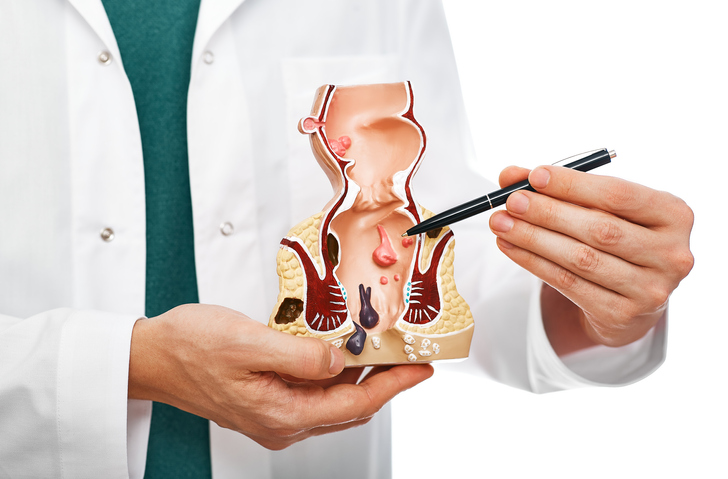
Let's Hear from Dr. Shiraz Farooq
Below, Dr. Shiraz Farooq answers most frequently asked questions that will help shed light on what to do if you notice blood during bowel movements.
‘From A Patient’s Perspective, Seeing Blood Can Be Terrifying. What Should I Do? Should I Be Worried About Blood In My Stool?’
Absolutely! Blood in your stool is concerning. For many, it’s a painless event, maybe just a few drops or some smears that turn the toilet bowl red and scary. For others, blood might be part of their daily experience due to ongoing inflammation in their gastrointestinal tract, which can lead to bloody diarrhea. Regardless of the situation, it’s crucial to reach out to a specialist to identify the underlying cause.
‘Is Bleeding During A Bowel Movement Ever Normal? What Does Blood In Stool Indicate?’
The short answer is NO! blood in your stool is never normal. It usually indicates that something is going on in the lining of your colon or rectum, like inflammation or injury. Common causes include hemorrhoids, anal fissures, colitis, gastroenteritis (inflamed gut), or even colon cancer. It’s best to let a specialist make the call on what might be happening.
‘Are There Any Specific Foods I Should Avoid Or Include In My Diet To Help Prevent Bleeding?’
You might wonder if your diet plays a role in preventing bleeding. While certain foods alone can’t cure or cause your condition, it’s wise to steer clear of irritants like alcohol and caffeine. Additionally, limit the use of aspirin and other NSAIDs. Instead, focus more on including plenty of fiber in your meals. Think whole grains, fruits, and veggies—these can help keep your stools soft and digestive system happy. As I like to say, “Two apples a day keeps the proctologist away!”
‘I Am Bleeding Heavily When I Poop. What Other Symptoms Might I Spot?’
If you’re experiencing bleeding, keep an eye out for other common symptoms, such as discomfort in the anal area, pain while sitting, abdominal pain, or changes in bowel habits like constipation or diarrhea.
‘Does Constipation Cause Rectal Bleeding?’
While constipation itself doesn’t directly cause bleeding, the straining to pass large hard stools can lead to occasional blood on toilet paper or in the bowl. A lack of exercise, immobility, and insufficient water intake can worsen constipation symptoms. If you find yourself dealing with chronic constipation, it’s not normal and it’s definitely time to consult a proctologist.
‘Can Stress Lead To Bloody Stool Too?’
Stress is not the cause rather an aggravating factor in any pre-existing conditions, leading to worse symptoms, including bleeding. Stress can bring on bloating, cramping and changes in bowel habits, which may make an existing problem such as hemorrhoids or colitis flare up. Stress alone should not be blamed for bleeding until a doctor has checked you.
‘How Does Dehydration Contribute To Bloody Stool?’
Dehydration paired with a low-fiber diet can result in straining during bowel movements, which might exacerbate conditions like hemorrhoids and may cause rectal bleeding while defecating.
‘Does Irritable Bowel Syndrome (IBS) Cause Anal Bleeding?’
If you’re dealing with IBS, you might be wondering about the connection to anal bleeding. Generally speaking, IBS doesn’t cause blood in your stool. Instead, it often brings along symptoms like diarrhea, constipation, abdominal pain, bloating, cramping, and gas. If you do notice bleeding while managing your IBS, it’s a good idea to consult a gastrointestinal specialist. They can help you uncover the cause and get you back on track.
‘Can Your Liver Be The Reason For Blood In Your Stool?’
Sometimes. Advanced liver disease, such as cirrhosis, can raise the pressure in veins of the esophagus, stomach or rectum. These swollen veins (varices) can bleed. Bleeding from high in the digestive tract often makes stool black rather than red, and it needs urgent care. Liver disease can be silent for years, so let your doctor know about any history of liver problems or heavy drinking.
‘How Long Should I Wait Before Seeing A Doctor If I Notice Blood While Using The Bathroom?’
Why wait? If symptoms are present, it likely means there has been an underlying issue hidden for some time. Your health should always come first. Blood won’t just go away on its own, so take charge and get it checked out.
‘Will The Bleeding Come Back?’
That really depends on your individual situation. A colorectal specialist can guide you on what to expect moving forward. In general, drinking more water, increasing your fiber intake, and avoiding straining during bowel movements can help sufficiently.
What Happens at Your Appointment
Knowing what to expect can make it easier to book the visit. A typical evaluation for rectal bleeding looks like this:
- Talking it through. Your doctor asks when the bleeding started, how much there is, its color, and about pain, bowel habits, medicines and family history.
- A gentle exam. The doctor looks at the skin around the anus and may do a quick digital rectal exam with a gloved, lubricated finger. You are covered with a drape and can ask to pause at any time.
- Anoscopy in the office. A short, narrow tube lets the doctor see the lower rectum and anal canal. It takes a minute or two and may feel like pressure.
- A plan. If the cause is clear, such as hemorrhoids or a fissure, treatment can often start right away. If the bleeding could be coming from higher up, or you are due for screening, your doctor may recommend a colonoscopy. ColoWell also offers Fast Track Colonoscopy for eligible patients.
Bottom Line
Don’t hesitate to reach out to a proctologist for any issues, from hemorrhoids to screenings. Dr. Farooq and his team at ColoWell America are there to save your butt!
They offer nutrition counseling and office treatments for hemorrhoids, including Rubber Band Ligation.
If you’re in Tampa and looking for a caring, board-certified colorectal specialist, give them a call at 813-278-6430.
Stay safe and keep an eye on your butt and gut health!
Blood in Stool FAQs
What does bright red blood in stool mean?
Bright red blood usually comes from close to the anus, most often from hemorrhoids or a small tear called an anal fissure. Polyps or other problems in the lower colon can look the same, though. A short exam is the only way to know for sure.
Does black stool mean bleeding?
Black, tarry, sticky stool can be a sign of bleeding in the stomach or upper intestine, and it needs prompt medical care. Iron tablets and bismuth medicines can also turn stool black without bleeding. If you are not sure why your stool is black, get checked the same day.
Can certain foods make stool look bloody?
Yes. Beets, red gelatin, red drinks and foods with red dye can make stool look red. Dark foods such as black licorice or blueberries can darken it. If the color does not go back to normal once you stop eating the food, see a doctor.
Is blood in stool a sign of colon cancer?
It can be, but most of the time it is caused by something less serious, such as hemorrhoids. Colorectal cancer and polyps are among the reasons doctors take bleeding seriously, especially with changes in bowel habits, weight loss or tiredness. Bleeding at any age should be checked, and screening usually starts at age 45 for people at average risk.
Can blood in stool be caused by hemorrhoids only?
Hemorrhoids are a very common cause, but they are not the only one. Fissures, inflammation, polyps, diverticular disease and cancer can all bleed, and you can have more than one problem at once. That is why a specialist should confirm the cause before you treat it at home.
-Disclaimer-
The information provided on this website is for educational and informational purposes only and is not intended as medical advice. Always consult with a qualified healthcare provider regarding any medical concerns, conditions, or treatment options. Individual results may vary. The information provided or services described are not intended to diagnose, treat, cure, or prevent any disease. Any medical or aesthetic procedure should be discussed thoroughly with a licensed professional before beginning treatment.

ColoWell America's Commitment
Discover When To Seek Help!
At ColoWell America, we understand that finding blood in your stool can be frightening. Our team will listen, examine you gently and find out where the bleeding is coming from, whether it is hemorrhoids, a fissure or something that needs a closer look. If you are noticing bleeding, don’t wait for it to go away on its own. Getting checked early means simpler treatment and peace of mind.
