

Fast Track Colonoscopy in Tampa Florida
Fast Track Colonoscopy lets eligible patients have a colonoscopy without a separate consultation visit first. Learn who qualifies, how the process works, how to prepare and how to get started.
Why you should consider getting a Fast Track Colonoscopy?
- You are a busy Individual
- No separate consultation visit if you qualify
What you need to know about Fast Track Colonoscopy?
Fast track colonoscopy, also known as direct access or open access colonoscopy, is a streamlined process that allows eligible patients to undergo a colonoscopy without a prior face-to-face consultation with your doctor. This approach is designed to make the screening process more efficient and accessible.
Here’s how it typically works:
- Referral: A primary care physician or other healthcare provider determines that a patient needs a colonoscopy, often for routine screening purposes.
- Eligibility Assessment: The patient’s medical history and current health status are reviewed to ensure they are a suitable candidate for a fast track procedure. This often involves filling out a detailed questionnaire.
- Scheduling: Once deemed eligible, the patient is scheduled for the procedure without the need for a preliminary in-person consultation with your doctor.
- Preparation: The patient receives instructions on how to prepare for the colonoscopy, which usually involves a bowel prep to clean out the colon.
- Procedure: On the day of the procedure, the patient arrives at the facility, and the colonoscopy is performed.
- Post-Procedure: After the colonoscopy, Dr. Farooq discusses the findings with the patient. If any polyps or suspicious areas are found, they are typically removed during the procedure and sent for biopsy.
- Follow-Up: Depending on the results, the patient might be scheduled for follow-up appointments or future screenings.
Fast track colonoscopy is particularly beneficial for patients who are at average risk for colorectal cancer and do not have complex medical histories. It can save time and reduce the number of medical visits. However, it’s essential to note that not everyone is a candidate for this approach, and some patients may still require a traditional consultation before the procedure.
Am I Eligible for Fast Track Colonoscopy?
Our team reviews every questionnaire, so the final decision is made with you. As a general guide:
You may be a good fit if you:
- Are due for routine colorectal cancer screening (usually from age 45 at average risk)
- Are generally healthy and active
- Have no major symptoms that need to be assessed first
You may need a consultation first if you:
- Take blood thinners or certain diabetes medicines that need a plan before the procedure
- Have significant heart, lung or kidney disease
- Have had problems with sedation or a difficult colonoscopy in the past
- Have ongoing symptoms such as rectal bleeding, severe belly pain or unexplained weight loss
If a consultation is the safer route, we will tell you and book it.
Fast Track vs Traditional Colonoscopy
- Consultation visit: Traditional: an office visit before the procedure. Fast Track: replaced by a questionnaire and a phone review for those who qualify.
- Number of visits: Fast Track usually means one fewer trip to the office.
- Prep: The same bowel prep for both.
- The procedure: Identical. The same colonoscopy, with the same sedation and the same care.
- Results: Shared the same way, with lab results to follow if a polyp or tissue sample was taken.
Start Your Fast Track in 3 Steps
- Complete the questionnaire. Fill out the Fast Track questionnaire about your health, medicines and screening history.
- We review and call you. Our team checks whether Fast Track is right for you and talks through any questions.
- Get your prep instructions and date. You receive your bowel prep instructions and your procedure date.
Preparation Tips for Fast Track Colonoscopy
Preparing for a colonoscopy is crucial to ensure clear visibility of the colon and rectum during the procedure. While fast track colonoscopy offers a streamlined process, the preparation remains a vital component. Here’s a summary to help you get ready. For the full details, read how to prepare for a colonoscopy and download your prep sheet from our colonoscopy pre and post procedure instructions.
- Dietary Adjustments:
- Days Before the Procedure: Start by eating a low-fiber diet. Avoid whole grains, nuts, seeds, and raw fruits and vegetables.
- Day Before the Procedure: Consume only clear liquids. This includes broths, clear juices, tea, coffee (without milk), and gelatin. Avoid anything with red, blue, or purple dyes.
- Medication Guidelines:
- Review Your Medications: If you’re on medications like aspirin, iron supplements, or certain diabetes medications, you might need to adjust the dose or skip them. Always consult with your healthcare provider.
- Anticoagulants: If you’re on blood thinners, tell us when you complete your questionnaire. Your doctor will tell you if and when to pause them, because the timing depends on the medicine and the reason you take it. Do not stop a blood thinner on your own.
- Bowel Prep:
- Laxatives: You’ll be prescribed a laxative to take the night before your procedure. This helps clear out the colon. Make sure to follow the instructions carefully.
- Stay Hydrated: Drink plenty of clear liquids to stay hydrated, especially since the laxatives can cause dehydration.
- Plan Ahead:
- Arrange for a Ride: You’ll be sedated during the procedure, so ensure you have someone to drive you home afterward.
- Clear Your Schedule: It’s best to stay home and rest after the procedure. Avoid making any plans or commitments for the rest of the day.
- What to Wear:
- Opt for loose, comfortable clothing. Remember, you’ll need to change into a hospital gown for the procedure.
- Last-Minute Tips:
- Stay Near a Bathroom: Once you start the bowel prep, you’ll need to use the bathroom frequently.
- Follow Timing Instructions: It’s crucial to take the laxatives at the prescribed time for optimal results.
- Stay Informed: If you experience any unusual symptoms or have concerns, don’t hesitate to reach out to your healthcare provider.
Remember, the goal of the preparation is to ensure a clear view of the colon and rectum during the colonoscopy. Proper preparation can lead to more accurate results and reduce the need for repeat procedures.
Cost and Insurance
Many insurance plans cover colonoscopy, especially screening colonoscopy as preventive care. Coverage can change if the exam is billed as diagnostic, for example when you have symptoms or a polyp is removed. Check with your insurer, and see our insurance and self-pay rates if you are paying yourself.
After Your Fast Track Colonoscopy
- Talking about results: Dr. Farooq usually explains what was seen before you go home. Because of the sedation, bring someone who can listen with you and drive you home.
- Biopsy and polyp results: Any colon polyps or tissue samples are sent to a lab, and we contact you once the results are back.
- Your next colonoscopy: If everything is normal and you are at average risk, the next screening is usually years away. If polyps were found, it may be due sooner. We will tell you when.
To compare Fast Track with other screening choices, read colonoscopy options explained.
Conclusion:
Fast track colonoscopy offers eligible patients a quicker route to essential screenings. While the process is expedited, the importance of thorough preparation remains paramount. By following the above guidelines, you ensure not only the effectiveness of the procedure but also your safety and comfort.
Take Control of Your Health with ColoWell America
Your health is an investment, and early detection is the key to prevention. At ColoWell America, we prioritize your well-being, offering options like the fast-track colonoscopy. Don’t let time constraints deter you from essential health screenings. Start with the Fast Track questionnaire today and take a proactive step towards a healthier future. Your peace of mind is just an appointment away.
More blogs on Colonoscopy:
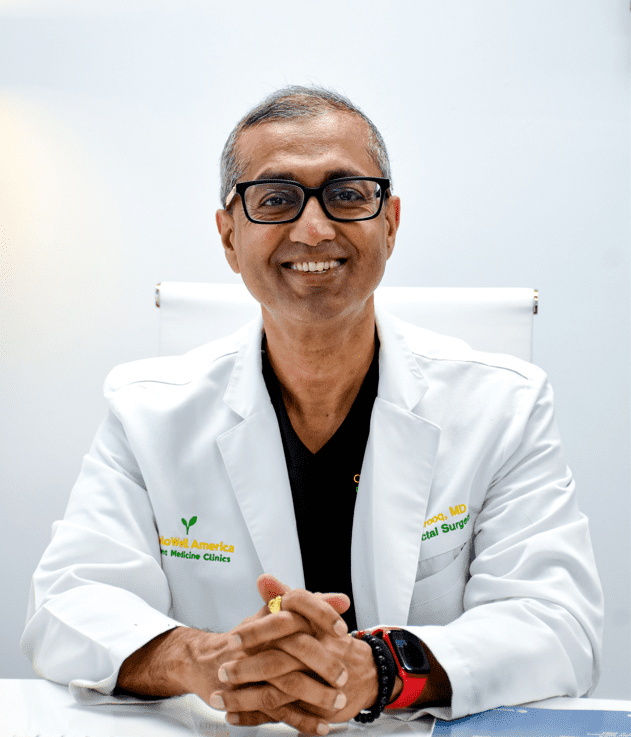
Dr. Shiraz Farooq
Dr. Shiraz Farooq is a board certified Colon and Rectal Surgeon and the driving force behind ColoWell America. He has been practicing medicine and surgery in Tampa, Florida for over a decade and has received multiple academic awards for his expertise.
EDUCATION:
M.B.B.S University of Karachi, Baqai Medical College, Pakistan 1994-1996
Aga Khan University, Karachi, Pakistan 1990 - 1994
TRAINING:
Colon and Rectal Surgery, Fellow Grant Medical Center, Columbus, OH 2008-2009 Critical Care Surgery, Fellow University of Rochester, NY 2001-2002
General Surgery Residency SUNY Buffalo, NY 2004
PROFESSIONAL EXPERIENCE:
Colorectal Surgeon - ColoWell America 2018 - Present
Colon and Rectal Surgeon - Locicero Medical Group, Tampa, Florida 2017- 2018 Colon and Rectal Surgeon - HemWell America, Tampa, Florida 2016-2017
Colon and Rectal Surgeon - Central Maine Medical Center, Lewiston, Maine 2013-2016 Locum Tenens Surgeon - Parkview Adventist Hospital, Brunswick, Maine 2012-2013
Colon and Rectal Surgeon - St. Joseph North Hospital, Lutz, Florida 2010-2011
Colon and Rectal Surgeon - St. Francis Hospital, Greenville, South Carolina 2009-2010
General Surgeon - Coquille Valley Hospital, Oregon 2004-2008.
-Disclaimer-
The information provided on this website is for educational and informational purposes only and is not intended as medical advice. Always consult with a qualified healthcare provider regarding any medical concerns, conditions, or treatment options. Individual results may vary. The information provided or services described are not intended to diagnose, treat, cure, or prevent any disease. Any medical or aesthetic procedure should be discussed thoroughly with a licensed professional before beginning treatment.
Frequently Asked Questions (FAQs)
The scheduling for a Fast Track Colonoscopy can vary depending on the clinic’s availability. At ColoWell America, we prioritize your convenience and health, aiming to schedule your procedure as soon as possible. Contact us directly to find the earliest available slot that suits your needs.
Many insurance plans cover colonoscopy procedures, including Fast Track Colonoscopy, especially when recommended as a preventive measure or diagnostic tool. It’s best to check with your insurance provider for the specifics of your coverage. Our staff at ColoWell America can assist you in understanding and navigating your insurance benefits.
Fast Track Colonoscopy streamlines the traditional colonoscopy process by reducing wait times and pre-procedure consultations. This expedited approach is ideal for busy individuals who meet the criteria for a direct-access colonoscopy, without compromising the quality of care.
Fast Track Colonoscopy offers the same high level of accuracy as a standard colonoscopy. It is a comprehensive procedure that allows for the detection and prevention of colon-related health issues, including colorectal cancer.
Fast Track is usually for generally healthy adults who are due for routine screening and have no major symptoms. People who take blood thinners, have significant heart, lung or kidney disease, or have symptoms such as bleeding may need a consultation first. Our team reviews your questionnaire and confirms the right route.
Many patients are referred by their primary care doctor, but whether you need a referral can depend on your insurance plan. Call our office and we can tell you what your plan requires.
Most polyps are removed during the same procedure and sent to a lab. If anything needs more care, Dr. Farooq will explain the findings and plan next steps with you, just as with any colonoscopy.
Submit your Suggestion