

Colon polyps may be small, but they can carry serious implications for your health. These often unnoticed growths develop along the lining of the colon and typically cause no symptoms making them easy to ignore. However, some polyps have the potential to turn into colorectal cancer over time, and even after removal, certain types can grow back. Understanding what colon polyps are, the risks they pose, and the critical role colonoscopy plays in detecting and removing them is essential for protecting your long-term colorectal health.
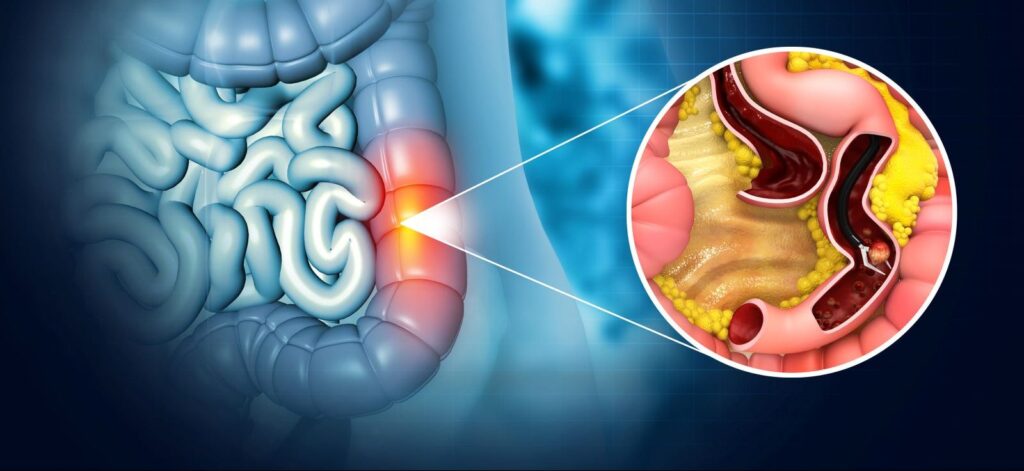
What Causes Colon Polyps?
Understanding the symptoms and causes of colon polyps is crucial. Although they are often asymptomatic, they can sometimes cause bleeding or, in rare cases, intestinal obstruction. They vary in size and shape, appearing as pedunculated, sessile, flat, or depressed growths. But what causes them? Factors like age, genetics, and lifestyle play a role in their development. Men are more likely to develop polyps than women, and the risk increases with age.
How Fast Do Colon Polyps Grow Back?
Colon polyps grow slowly. If completely removed, they shouldn’t reappear at the same site. However, up to 60% of polyps can regrow within three years. Regular follow-up testing is crucial, with most people advised to return in 5 years for re-evaluation.
Are All Colon Polyps Precancerous?
Not all colon polyps are precancerous. While adenomas have a small chance of turning into cancer, the vast majority of polyps are benign and non-cancerous. However, because some have the potential to develop into cancer, they are considered precancerous, warranting removal during colonoscopies.
What Size of Colon Polyp is Concerning?
Size is a significant factor in assessing colon polyp risk. Polyps bigger than 10 millimeters are more concerning. Research shows that the risk for cancer in polyps less than 5 millimeters is very low, but larger polyps carry a higher risk.
How to Get Rid of Colon Polyps
Colon polyps are typically removed during a colonoscopy, a procedure that allows for immediate removal using tools like forceps or snares. For larger polyps, procedures like endoscopic mucosal resection or endoscopic submucosal dissection are used, allowing for the removal of large polyps in one piece, reducing the risk of regrowth.
Impact on Follow-up Screening
The discovery of colon polyps can affect follow-up screening schedules. Those with numerous, large, or precancerous polyps may need more frequent colonoscopies. This is especially true for patients who have had significant polyps removed using advanced techniques.
Detecting and Dealing with Colon Polyps: The Role of Colonoscopy
Early Detection is Key
Early detection of colon polyps is crucial for preventing their progression to colon cancer. Colonoscopy is the most effective method for this. During the procedure, doctors can identify and remove polyps, significantly reducing cancer risk.
What to Expect During a Colonoscopy
A colonoscopy involves the insertion of a flexible tube with a camera into the rectum, allowing doctors to view the entire colon. It’s a safe procedure, usually performed under sedation, ensuring comfort.
Fast Track Colonoscopy – The Quickest Path to Peace of Mind
For those concerned about their colon health, ColoWell America offers the Fast Track Colonoscopy program. It’s designed to streamline the process, making it faster and more convenient to get a colonoscopy.
Self-Assessment for Fast Track Colonoscopy
Before scheduling a Fast Track Colonoscopy, patients are encouraged to complete a self-assessment questionnaire. This form includes questions about symptoms like blood in the stool, abdominal pain, rectal bleeding, and other relevant health information. It helps the medical team at ColoWell America understand your condition and expedite your procedure.
Don't Wait, Your Health Matters
Colonoscopy is a powerful tool in detecting and managing colon polyps. If you experience any symptoms, don’t wait. Early detection through a Fast Track Colonoscopy can be life-saving. Book an appointment with ColoWell America for expert care and peace of mind. Remember, your health is your greatest asset.
-Disclaimer-
The information provided on this website is for educational and informational purposes only and is not intended as medical advice. Always consult with a qualified healthcare provider regarding any medical concerns, conditions, or treatment options. Individual results may vary. The information provided or services described are not intended to diagnose, treat, cure, or prevent any disease. Any medical or aesthetic procedure should be discussed thoroughly with a licensed professional before beginning treatment.