

If you’ve ever had that unmistakable itching, burning, or sharp pain around your anus, you may be familiar with the frustrating reality of hemorrhoids. While these swollen veins are incredibly common (particularly among pregnant women and individuals who struggle with constipation), they can range from mildly inconvenient to intensely painful.
Many patients wonder,
“Why did I get hemorrhoids in the first place?”
The truth is, while certain lifestyle factors increase your risk, hemorrhoids can sometimes develop for no apparent reason at all. Fortunately, understanding how they behave and what to do when they bleed can make managing them much easier.
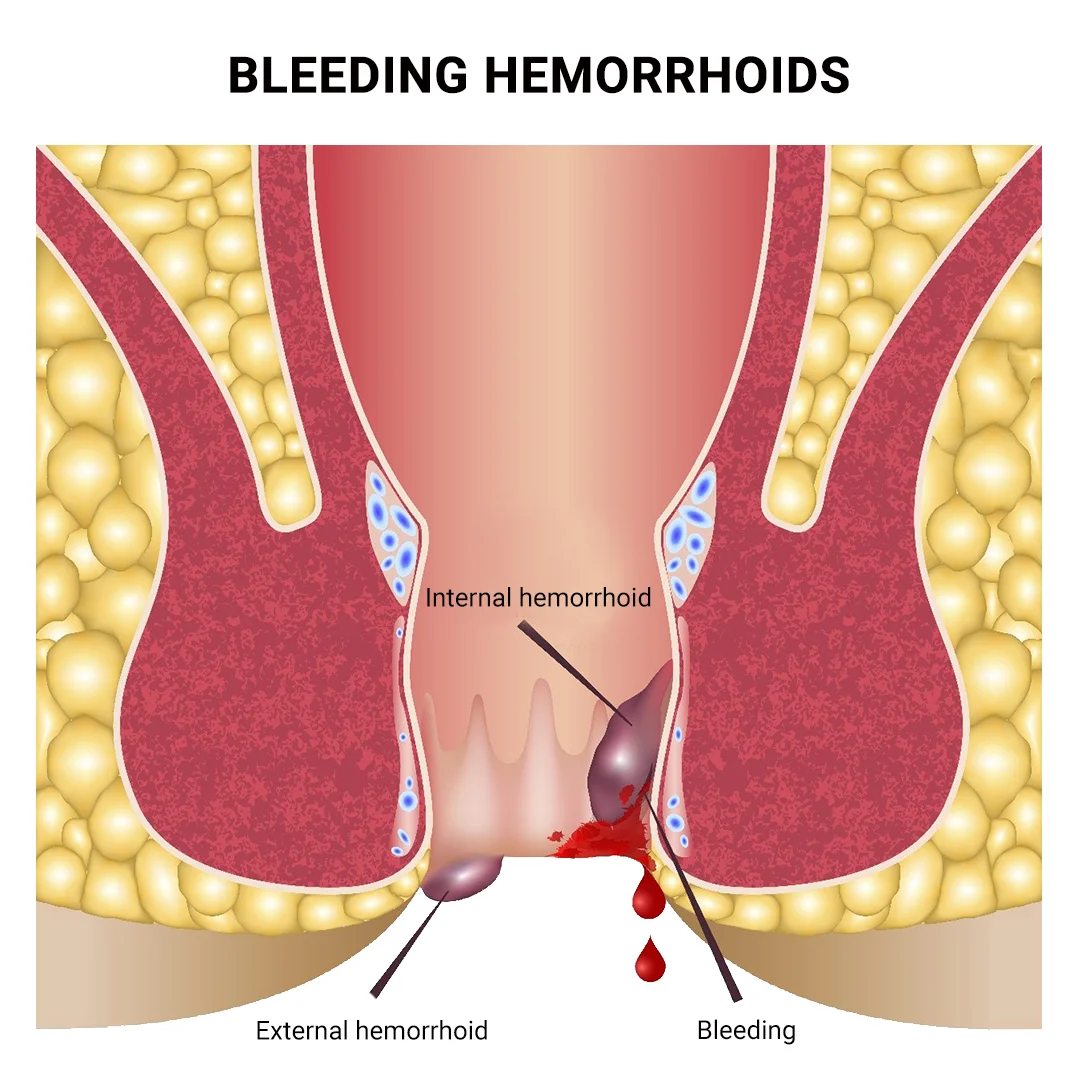
Why Do Hemorrhoids Bleed?
To understand why hemorrhoids (also known as Piles) bleed, it’s helpful to know what they actually are. Hemorrhoids are enlarged blood vessels in the rectal and anal area that have become inflamed due to excessive pressure. This pressure weakens the walls of the blood vessels, making them prone to irritation, swelling, and bleeding.
Several factors can contribute to this pressure, including:
- Straining during bowel movements
- Prolonged sitting (especially on the toilet)
- Chronic constipation or diarrhea
- Pregnancy and childbirth
- Heavy lifting or intense physical exertion
Bleeding typically occurs when these swollen vessels become irritated — whether by passing stool, excessive wiping, or prolonged pressure. Small capillaries surrounding the hemorrhoid can rupture, resulting in bright red blood that may appear on toilet paper, in the toilet bowl, or on your stool.
Do Hemorrhoids Bleed Without a Bowel Movement?
Yes, Hemorrhoids (also called Piles) can bleed without a bowel movement. While hemorrhoids most often bleed following a bowel movement, it’s entirely possible for them to bleed at other times as well.
Here’s why:
External Hemorrhoids:
If you have external hemorrhoids that are especially sensitive or inflamed, even routine activities like walking, sitting for extended periods, or exercising can trigger bleeding.
Thrombosed Hemorrhoids:
A thrombosed hemorrhoid occurs when a blood clot forms inside the swollen vein. These can rupture without warning, causing sudden bleeding — even when you’re not using the restroom.
Prolapsed Hemorrhoids:
Internal hemorrhoids that protrude from the rectum (prolapse) are more susceptible to irritation and may bleed from friction with clothing or prolonged sitting.
If you notice bleeding unrelated to a bowel movement, it’s important to track your symptoms and discuss them with your healthcare provider.
How to Tell If Hemorrhoid Bleeding Is Serious
While occasional spotting or mild bleeding from hemorrhoids isn’t uncommon, there are certain signs that warrant medical attention:
- Bleeding that persists for more than a few days
- Dark or tarry stools (which may indicate bleeding higher in the digestive tract)
- Bleeding accompanied by dizziness, weakness, or fatigue
- Severe pain, swelling, or signs of infection (such as fever or discharge)
If you experience any of these symptoms, seek medical care promptly.
What Else Can Cause Rectal Bleeding?
Although hemorrhoids are a frequent cause of rectal bleeding, they aren’t the only potential culprit. Other conditions that may cause similar symptoms include:
- Anal fissures: Small tears in the lining of the anus caused by passing hard stools.
- Diverticulosis: Small pouches in the colon that can bleed if irritated.
- Colon polyps or colorectal cancer: While uncommon, persistent bleeding may indicate a more serious gastrointestinal condition.
- Inflammatory bowel disease (IBD): Conditions like Crohn’s disease or ulcerative colitis can lead to rectal bleeding.
For this reason, it’s crucial to consult your healthcare provider for a proper diagnosis, especially if rectal bleeding is new or persistent.
Hemorrhoid Treatment Options
Managing hemorrhoids effectively often involves a combination of lifestyle adjustments, home remedies, and medical interventions. Here’s what you can try:
At-Home Remedies for Mild Hemorrhoids
- Increase your fiber intake: Fiber-rich foods like fruits, vegetables, and whole grains can soften stools, making bowel movements less painful.
- Stay hydrated: Drinking plenty of water helps prevent constipation and straining.
- Sitz baths: Soaking the affected area in warm water for 15–20 minutes can reduce inflammation and soothe discomfort.
- Topical treatments: Over-the-counter creams or ointments containing witch hazel, hydrocortisone, or Lidocaine can provide relief.
- Cold compresses: Applying a cold pack to the area may reduce swelling and numb the pain.
Minimally Invasive Procedures for Persistent Hemorrhoids
If your symptoms persist despite at-home care, your doctor may recommend one of the following:
- Rubber Band Ligation (Hemorrhoid Banding): This procedure involves placing a small rubber band around the base of the hemorrhoid, cutting off its blood supply. The hemorrhoid eventually shrinks and falls off
Surgical Options for Severe Hemorrhoids
For large or persistent hemorrhoids, surgery may be necessary. Common procedures include:
- Hemorrhoidectomy: This is the most effective option for severe or recurrent hemorrhoids and involves surgical removal of the hemorrhoid.
- THD System (Transanal Hemorrhoidal Dearterialization): This minimally invasive procedure uses ultrasound to locate and tie off the hemorrhoidal arteries, reducing blood flow and shrinking the hemorrhoid.
When to See a Doctor for Hemorrhoids
If your hemorrhoid symptoms persist for more than a week, worsen despite home care, or involve persistent bleeding, it’s time to seek professional help. While hemorrhoids are common, ignoring symptoms may put you at risk for more serious conditions.
At ColoWell America, our skilled specialists offer advanced treatments designed to provide long-lasting relief. Whether you need conservative care, minimally invasive treatment, or surgical intervention, we’re here to help you regain your comfort and confidence.
Don’t let hemorrhoids control your life. Contact us today to schedule your appointment and track your butt health!
-Disclaimer-
The information provided on this website is for educational and informational purposes only and is not intended as medical advice. Always consult with a qualified healthcare provider regarding any medical concerns, conditions, or treatment options. Individual results may vary. The information provided or services described are not intended to diagnose, treat, cure, or prevent any disease. Any medical or aesthetic procedure should be discussed thoroughly with a licensed professional before beginning treatment.