
Pelvic Health: Understanding Disorders, Treatments, and Services
At ColoWell America, we understand that the pelvic floor is not just a set of muscles but a harmonious system that plays a pivotal role in your life. It supports various organs, aids in bodily functions, and contributes to your sexual health. We aim to guide you through the intricacies of this vital system, empowering you to live a life free from discomfort and limitations. You will find out all about Pelvic Health here.
Are you going through any of these symptoms
- Pain or discomfort during sexual activity
- Lower back pain without a specific cause
- Difficulty in bowel movements or fecal incontinence
- A feeling of heaviness or pressure in the pelvic region
- Frequent urinary incontinence or unexpected leakage
"He is the best Colorectal Surgeon you could ask for."
THOMAS M. GOOGLE
"He is the best Colorectal Surgeon you could ask for."
THOMAS M. GOOGLE
"He is the best Colorectal Surgeon you could ask for."
THOMAS M. GOOGLE
James Andrews16 November 2026
The Best You Will Find!
Carol Beresovsky segnini11 November 2026
Excelent
kevin maslowski29 October 2026
Dr. Farooq is the best, I highly recommend him A+
Juan Gonzalez29 October 2026
Very nice team, everybody is sweet and professional
Ola Gimblet27 October 2026
ColoWell America are the best, family friendly I left there feeling like family the love that they all gave to me. Thank you all
Maria Lopez16 October 2026
I must say awesome staff Outstanding Doctor He definitely cares for his patience I’ll be going back to him for his services abs and the brain treatments
Mia15 October 2026
I would highly recommend dr Shiraz Farooq he's so calm and knowledgeable about so much. He helped my low back with laser and has been also treating me with emsculpt, exomind and emface. Very impressive and loving my results.
COIN KING6 October 2026
If you need Hemorrhoid Banding this is the place to go. Fast and Easy. The Dr does one band every week for each Hemorrhoid and two weeks between procedures. Dr Farooq and Staff are have a well oiled machine of a Practice ! A++++
maritza garcia30 September 2026
Estoy muy satisfecha con el tratamiento he notado mi mejoría desde el primer día con emsella. La atención al paciente excelente Lo recomiendo al 100%
Luz Villaquiran15 September 2026
Excellent service; the staff is highly trained for everything. And the doctor is a wonderful person—highly recommended. excelente atencion, personal super entrenado para todo. y la calidad humana del doctor es espectacular, super recomendado.
Key takeaways
- The pelvic floor is a group of muscles that supports the bladder, bowel and, in women, the uterus, and helps you control when you pass urine, stool and gas.
- Signs of a problem include leakage, straining or trouble emptying the bowel, a bulge or heavy feeling, and pain.
- These problems are common, especially after childbirth and with age, and most can be treated.
- A colorectal specialist can find the cause with a simple exam and, if needed, tests such as anal manometry.
What Is the Pelvic Floor?
The pelvic floor is a sling of muscles and connective tissue at the bottom of your pelvis, stretching from the pubic bone at the front to the tailbone at the back. Think of it as a hammock that holds up the bladder, the rectum and, in women, the uterus and vagina. In men it sits below the prostate.
These muscles do several jobs at once. They tighten to keep you from leaking urine, stool or gas, and they relax so you can empty your bladder and bowel. They also support your spine and core, and they play a part in sexual function. When the muscles are too weak, too tight or not working in sync, problems can follow.
Common Pelvic Floor Disorders at a Glance
This post focuses on the bowel side of pelvic health, which is what a colorectal specialist treats. The most common problems are:
- Fecal incontinence: leaking stool or gas, or not making it to the toilet in time. Treatment often starts with diet, bowel habits and pelvic floor exercises, with other options if needed. See fecal incontinence treatment and bowel incontinence treatment with Axionics.
- Chronic constipation and obstructed defecation: straining, feeling that you cannot empty fully, or needing to press around the vagina or anus to pass stool. Treatment depends on the cause and may include fiber, medicines and pelvic floor retraining.
- Pelvic floor dyssynergia: the muscles tighten when they should relax during a bowel movement, which makes emptying hard. It is often treated with biofeedback-based pelvic floor therapy.
- Rectocele: a bulge of the rectum into the back wall of the vagina, which can trap stool. Mild cases are managed with bowel care; larger ones may need repair.
- Rectal prolapse: the rectum slips out through the anus, often during straining. It usually needs surgery. Learn about rectal prolapse treatment.
Many people have more than one of these at the same time, which is why a full evaluation matters.
Importance of Pelvic Health
Your pelvic health is a symphony of well-coordinated muscles and functions that significantly impact your day-to-day life. It’s not merely about avoiding discomfort; it’s about enhancing your quality of life. A strong and healthy pelvic floor can:
- Ensure Physical Comfort: Say goodbye to the inconvenience of urinary or bowel leakage and embrace a life of freedom and mobility.
- Elevate Your Sexual Health: Experience the joy of intimate moments, unmarred by pain or discomfort.
- Act as a Preventive Measure: A well-maintained pelvic floor can be your first line of defense against common disorders, saving you from future complications.
- Contribute to Emotional Well-being: When you’re physically comfortable, it naturally elevates your emotional and mental state, allowing you to engage in life more fully.
At ColoWell America, we believe that your pelvic health is a journey, and we’re here to walk that path with you, offering expert advice and innovative treatments tailored to your unique needs.
Comprehensive Services for Your Pelvic Health
At ColoWell America, we pride ourselves on offering a complete range of services designed to address the multifaceted nature of pelvic health. Our team of experts is committed to providing compassionate, individualized care that addresses your specific needs. Here’s a closer look at some of the services we offer:
Fecal Incontinence Treatment
Living with fecal incontinence can be emotionally draining and socially isolating. We offer a range of treatments, from lifestyle modifications to advanced surgical options, to help you regain control. Read more about our fecal incontinence treatment. We also offer a non-invasive therapy with EMS technology:
- Pelvic floor therapy with EMSELLA: It is a non-invasive treatment that uses electromagnetic energy to target pelvic floor muscles, improving incontinence issues. It may be an option for some patients alongside other care, and results vary. Learn more about the non-invasive EMSELLA option.
Solesta Injection for Fecal Incontinence
For those seeking a minimally invasive option, the Solesta injection is another choice. This office procedure can reduce symptoms for some patients, allowing you to engage in daily activities without the constant worry of an accident.
Constipation Treatment
Chronic constipation is more than just a physical discomfort; it can affect your emotional well-being and overall quality of life. Our comprehensive approach includes dietary changes, medications, and in some cases, surgical interventions to relieve your symptoms and improve your digestive health.
Rectal Prolapse Surgery
A rectal prolapse can be a distressing condition that impacts your comfort and lifestyle. Surgery aims to put the rectum back in place and fix the support around it. See rectal prolapse treatment for details.
Rectocele Surgery
Rectocele can significantly impact a woman’s quality of life, affecting both bowel function and sexual health. Our surgical procedures are designed to repair the weakened wall between the rectum and vagina, restoring normal function and comfort.
Sacral Nerve Stimulation Implant
For those dealing with severe symptoms that don’t respond to other treatments, a sacral nerve stimulation implant may help. This small device adjusts the nerve signals between the spinal cord and the pelvic floor muscles to improve bowel control.
Anal Manometry Testing
Understanding the root cause of your symptoms is the first step in effective treatment. Our anal manometry testing provides valuable insights into the functioning of your rectum and anal sphincters, allowing us to tailor your treatment plan.
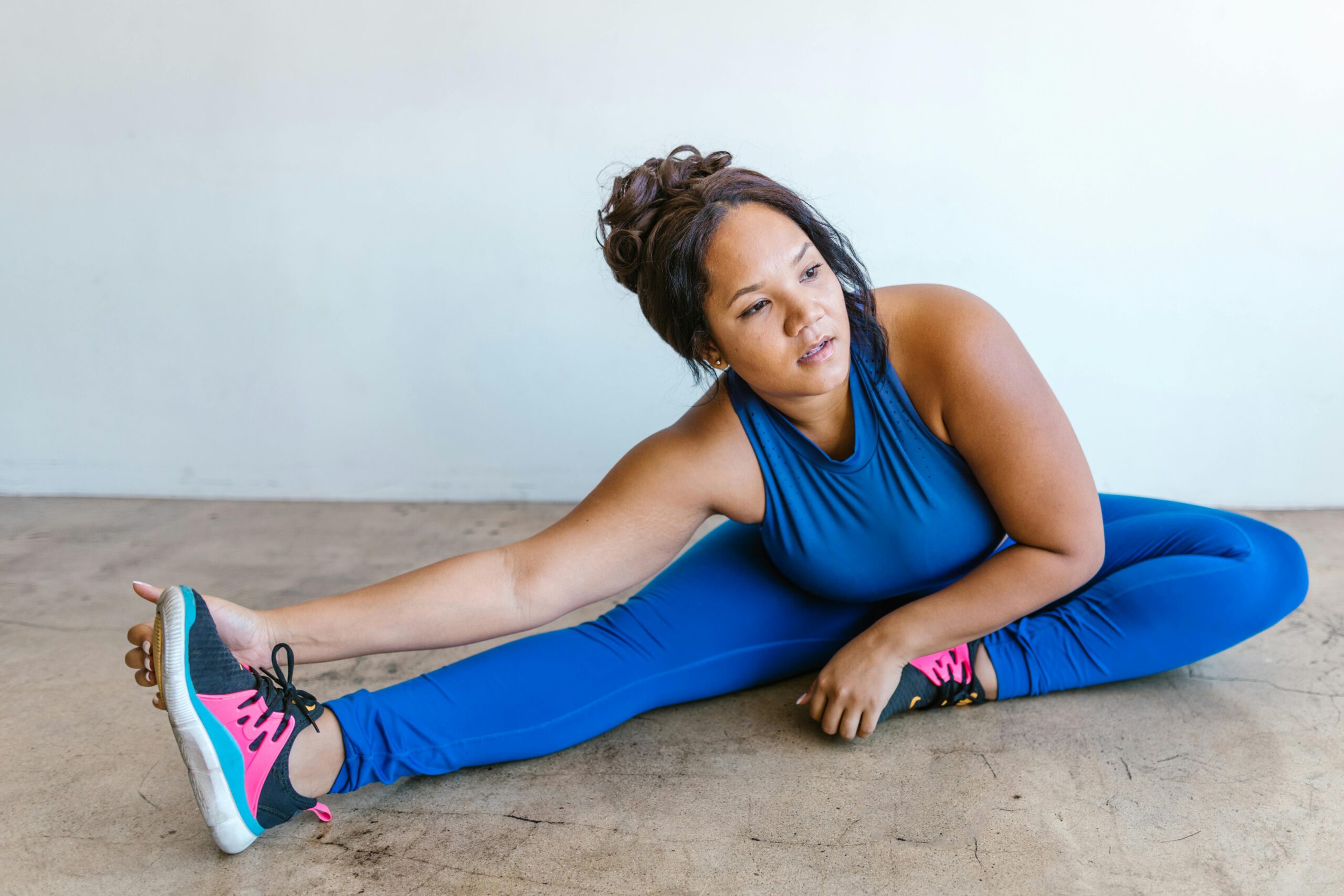
Tips for Maintaining Optimal Pelvic Health
Your pelvic health is an integral part of your overall well-being, and maintaining it should be a priority. At ColoWell America, we believe in empowering our patients with the knowledge and tools they need to take control of their pelvic health. Here are some expert-recommended tips to help you maintain a healthy pelvic floor and improve your quality of life:
Regular Exercise
Regular physical activity, especially exercises that focus on the pelvic floor, can be incredibly beneficial. Kegel exercises, for instance, can strengthen the pelvic floor muscles and improve urinary and fecal incontinence.
Balanced Diet
A balanced diet rich in fiber can help prevent constipation, a common issue that can strain the pelvic floor muscles. Include plenty of fruits, vegetables, and whole grains in your daily meals.
Stay Hydrated
Proper hydration is essential for a healthy digestive system. Drink enough water through the day that your urine stays pale yellow. Your needs depend on your size, activity and the weather.
Mindful Bathroom Habits
Avoid straining during bowel movements and don’t ignore the urge to go. Straining can weaken the pelvic floor muscles over time.
Weight Management
Excess weight can put additional pressure on your pelvic floor muscles. Maintaining a healthy weight through diet and exercise can alleviate some of the stress on these muscles.
Regular Check-ups
Regular medical check-ups are crucial for early detection and treatment of any pelvic floor issues. Don’t hesitate to discuss any symptoms or concerns with your healthcare provider.
Limit Caffeine and Alcohol
Both caffeine and alcohol can irritate the bladder and may exacerbate urinary incontinence. Limiting your intake can make a significant difference.
Quit Smoking
Smoking can lead to chronic coughing, which puts additional stress on your pelvic floor muscles. Quitting smoking is beneficial for your pelvic health and your overall well-being.

How Pelvic Floor Problems Are Diagnosed
Many people put off a visit because they worry about the exam. Here is what usually happens:
- Your history. Your doctor asks about your symptoms, bowel habits, childbirth, surgeries and medicines. You may be asked to keep a short bowel diary for a week or two.
- A physical exam. The doctor looks at the area around the anus and does a gentle finger exam to check muscle strength and how well the muscles relax. It takes a few minutes.
- Anal manometry. A thin, flexible tube measures the pressure of the anal muscles and how the rectum responds. It is done awake and does not usually hurt.
- Imaging, if needed. Tests such as defecography, an imaging study taken while you empty your bowel, can show a rectocele, prolapse or muscles that are not relaxing properly.
Pelvic Health After Childbirth and With Age
After childbirth. Pregnancy and vaginal delivery stretch the pelvic floor, and a difficult delivery can injure the muscles or the nerves that control them. Some leakage or weakness in the first weeks is common, but symptoms that have not improved after a few months deserve a check-up. Learn about postpartum pelvic floor recovery and our Core to Floor program.
Midlife and beyond. Lower hormone levels after menopause, years of straining with constipation, chronic coughing, heavy lifting and extra weight can all weaken the pelvic floor over time. Men can have pelvic floor problems too, for example after prostate surgery. Getting help early often means simpler treatment.
When to See a Doctor About Pelvic Health
Book an evaluation if you have:
- Leakage of stool or gas, or sudden urges you cannot hold
- Straining, or needing to press on the area to empty your bowel
- A bulge, heaviness or a feeling that something is falling out
- Pain with bowel movements or during sex
- Symptoms after childbirth that have not improved
Pelvic health is more than just a physical concern; it affects your daily life and overall well-being. Early diagnosis and treatment are key to managing these issues effectively. Dr. Shiraz Farooq, a board-certified colorectal surgeon, can evaluate your symptoms and explain your options. Request an appointment or browse our proctology services.
Dr. Shiraz Farooq
-Disclaimer-
The information provided on this website is for educational and informational purposes only and is not intended as medical advice. Always consult with a qualified healthcare provider regarding any medical concerns, conditions, or treatment options. Individual results may vary. The information provided or services described are not intended to diagnose, treat, cure, or prevent any disease. Any medical or aesthetic procedure should be discussed thoroughly with a licensed professional before beginning treatment.
Frequently Asked Questions (FAQs)
Symptoms of a weak pelvic floor can include urinary incontinence, fecal incontinence, and pelvic organ prolapse. You may also experience discomfort or pain in the pelvic region, difficulty in holding urine or feces, and sexual dysfunction. It’s crucial to consult a healthcare provider for a proper diagnosis and treatment plan.
Can pelvic floor problems cause constipation or trouble emptying the bowels?
Yes. If the pelvic floor muscles tighten instead of relaxing when you push, stool can get stuck even when it is soft. A rectocele can also trap stool. These problems are diagnosed with an exam and tests such as anal manometry, and they often improve with pelvic floor therapy.
Do Kegel exercises help with fecal incontinence?
They can help some people, especially when the muscles are weak. Doing them correctly matters, and guided pelvic floor therapy or biofeedback often works better than exercises alone. If your muscles are too tight rather than weak, Kegels may not be the right choice, so get checked first.
What kind of doctor treats pelvic floor disorders?
It depends on the symptoms. Colorectal surgeons treat bowel problems such as fecal incontinence, obstructed defecation, rectocele and rectal prolapse. Urologists and urogynecologists focus on bladder problems, and pelvic floor physical therapists often work alongside them.
Is pelvic floor dysfunction treatable without surgery?
Often, yes. Many people improve with diet and fiber changes, better bowel habits, medicines and pelvic floor therapy. Surgery is usually kept for problems such as a large rectocele or rectal prolapse, or when other treatments have not helped.
Can men have pelvic floor problems?
Yes. Men have a pelvic floor too, and it can cause constipation, leakage, or pain in the pelvis or rectum. Prostate surgery, chronic straining and some nerve conditions can play a part. The evaluation is much the same as for women.
Submit your Suggestion