

Hemorrhoids are a common yet frustrating condition, affecting millions of Americans each year. While they’re usually harmless and manageable with home remedies or minor medical interventions, some symptoms that resemble hemorrhoids could indicate more serious health issues.
If you’re experiencing persistent pain, rectal bleeding, or swelling, it’s essential to rule out other conditions that may require medical attention. Let’s explore the symptoms of hemorrhoids, possible look-alike conditions, and when to seek professional care.
What Are Hemorrhoids??
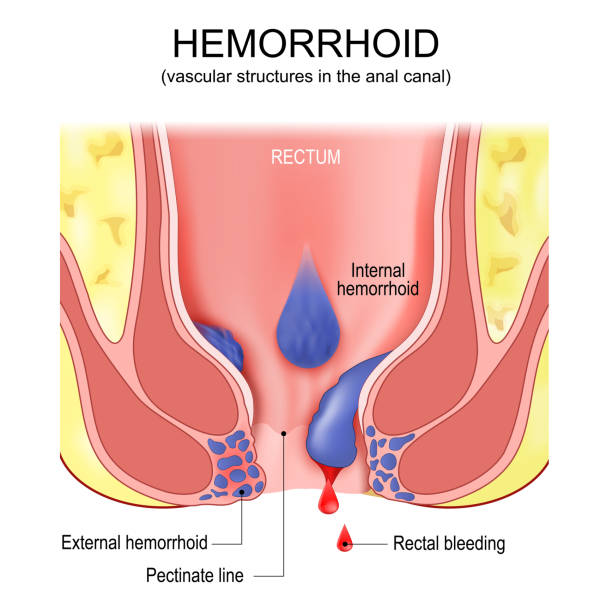
Hemorrhoids develop when veins in the rectum or anus become swollen and inflamed, often due to increased pressure from straining during bowel movements, pregnancy, or prolonged sitting. They can be categorized into two types:
- External hemorrhoids – Form under the skin around the anus, often causing pain, itching, and swelling.
- Internal hemorrhoids – Develop inside the rectum and may not cause pain, but they can lead to painless rectal bleeding.
While hemorrhoids are common and generally benign, they share symptoms with other colorectal conditions, few of which can be more severe.
Who Is Most at Risk for Hemorrhoids?
Although anyone can develop hemorrhoids, certain factors increase your risk:
- Straining during bowel movements – Often due to chronic constipation.
- A low-fiber diet – Fiber keeps stools soft and prevents excessive straining.
- Chronic diarrhea – Frequent bowel movements can irritate anal tissue.
- Obesity – Excess weight puts additional pressure on rectal veins.
- Prolonged sitting – Office workers, truck drivers, and those with sedentary lifestyles are more prone to hemorrhoids.
- Aging (50+ years old) – The tissues supporting rectal veins weaken over time.
- Heavy lifting – Frequent lifting, whether at the gym or job site, can contribute to hemorrhoid development.
- Pregnancy – Increased abdominal pressure and hormonal changes raise the risk.
Understanding these risk factors can help with both prevention and early intervention.
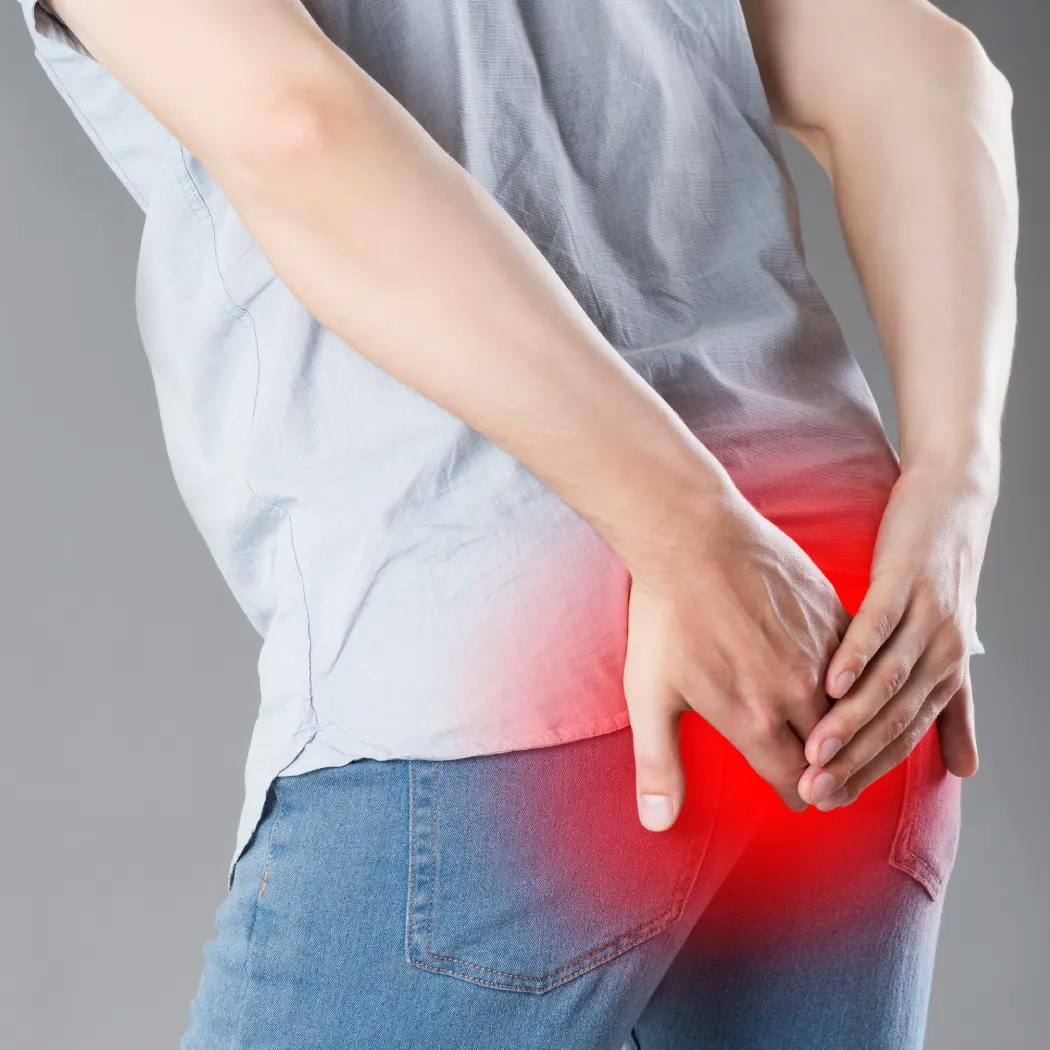
Common Symptoms of Hemorrhoids
While hemorrhoids can be uncomfortable, they often present with specific symptoms, including:
- Painless Bleeding: Bright red blood may appear on toilet paper or in the toilet after bowel movements.
- Itching or Irritation: Persistent itchiness around the anus can become uncomfortable.
- Swelling: Swollen or lumpy areas around the anus may develop.
- Pain or Discomfort: External hemorrhoids can cause discomfort, especially when sitting.
- Tender Lump: A sensitive, raised area near the anus may indicate external hemorrhoids.

Symptoms of Hemorrhoids: What’s Normal and What’s Not?
Mild to moderate hemorrhoids typically cause:
- Painless rectal bleeding – Small streaks of bright red blood on toilet paper or in the toilet bowl.
- Itching or burning around the anus.
- A swollen lump near the anal opening (external hemorrhoids).
- Discomfort or soreness during bowel movements.
While these symptoms are common, certain signs may suggest something beyond hemorrhoids.
Conditions That Mimic Hemorrhoids
If your symptoms persist despite treatment, worsen over time, or include unusual changes, you may not be dealing with hemorrhoids at all. Here are some conditions often mistaken for hemorrhoids:
Colon Cancer or Rectal Cancer
🔹 Why it’s mistaken for hemorrhoids: Rectal bleeding and changes in bowel habits.
🔹 Key differences: Blood in stool is often darker (maroon or black) and may be mixed in rather than appearing on the toilet paper. Unexplained weight loss and fatigue may also occur.
When to see a doctor: If you are over 40 or have a family history of colorectal cancer, don’t ignore rectal bleeding—schedule a colonoscopy.
Anal Fissures
🔹 Why it’s mistaken for hemorrhoids: Both cause pain, bleeding, and irritation.
🔹 Key differences: Anal fissures are small tears in the skin, leading to sharp, stinging pain during and after bowel movements. Unlike hemorrhoids, they usually don’t cause swelling.
When to see a doctor: If pain is severe, doesn’t improve with home care, or bleeding continues.
Inflammatory Bowel Disease (IBD) – Crohn’s or Ulcerative Colitis
🔹 Why it’s mistaken for hemorrhoids: Persistent rectal inflammation, bleeding, and discomfort.
🔹 Key differences: IBD often includes chronic diarrhea, abdominal cramps, fever, and weight loss—symptoms not typical of hemorrhoids.
When to see a doctor: If you experience frequent diarrhea, unexplained weight loss, or prolonged intestinal pain.
Colon Polyps
🔹 Why it’s mistaken for hemorrhoids: Some polyps bleed and cause discomfort.
🔹 Key differences: Most polyps don’t cause symptoms until they grow large. They are usually detected during a routine colonoscopy before they become cancerous.
When to see a doctor: If you have rectal bleeding or are due for a screening (age 45+ or earlier with family history).
When to See a Hemorrhoid Specialist
While most hemorrhoids improve within a few weeks, some don’t go away or worsen despite treatment. If you experience any of the following, schedule an evaluation:
✔Heavy or persistent bleeding – Especially if the blood is dark or mixed in stool.
✔Severe pain or swelling – External hemorrhoids that develop blood clots (thrombosed hemorrhoids) may require medical removal.
✔Changes in bowel habits – Chronic diarrhea, constipation, or unexplained urgency could indicate an underlying gastrointestinal issue.
✔Recurring hemorrhoids – If you frequently struggle with hemorrhoids, long-term solutions may be necessary.
Don’t assume rectal bleeding is “just hemorrhoids”—especially if you’re over 40. Early detection of colorectal issues saves lives.
Hemorrhoid Treatments: What Are Your Options?
If your doctor confirms your symptoms are due to hemorrhoids, several treatment options are available:
Home Remedies for Mild Cases
- Sitz baths – Warm water soaks reduce swelling and ease discomfort.
- Topical treatments – Over-the-counter creams like Preparation H or witch hazel wipes soothe irritation.
- High-fiber diet – More fiber = softer stools and less straining.
Minimally Invasive Treatments (If Home Remedies Fail)
🔹 Rubber band ligation A small band cuts off circulation to shrink hemorrhoids.
Surgical Options for Severe Hemorrhoids
🔹 Hemorrhoidectomy – Complete removal of large or thrombosed hemorrhoids.
While hemorrhoids are common, rectal bleeding, pain, and persistent discomfort should never be dismissed. Whether it’s hemorrhoids or something more serious, early evaluation is key to effective treatment and peace of mind.
Ready for expert care? Contact ColoWell America to schedule a consultation with our specialists today!
-Disclaimer-
The information provided on this website is for educational and informational purposes only and is not intended as medical advice. Always consult with a qualified healthcare provider regarding any medical concerns, conditions, or treatment options. Individual results may vary. The information provided or services described are not intended to diagnose, treat, cure, or prevent any disease. Any medical or aesthetic procedure should be discussed thoroughly with a licensed professional before beginning treatment.