

Hemorrhoids, also known as piles, are a common condition that affects many people, but they can sometimes be embarrassing, especially when accompanied by unpleasant symptoms like odor. If you’re wondering, “Do hemorrhoids leak and smell?”—the answer is yes, they can.
This blog will explore why hemorrhoids might have an odor, the causes behind this issue, and how to address it effectively.
Key takeaways
- Hemorrhoids can leak mucus or small amounts of stool, which can cause staining, itching and odor.
- A gentle daily hygiene routine, more fiber and enough water usually help a lot.
- Discharge with pain, fever, pus or bleeding needs a doctor, because other conditions can cause it.
- When hemorrhoids are the cause, treating them, for example with banding, often stops the leak.
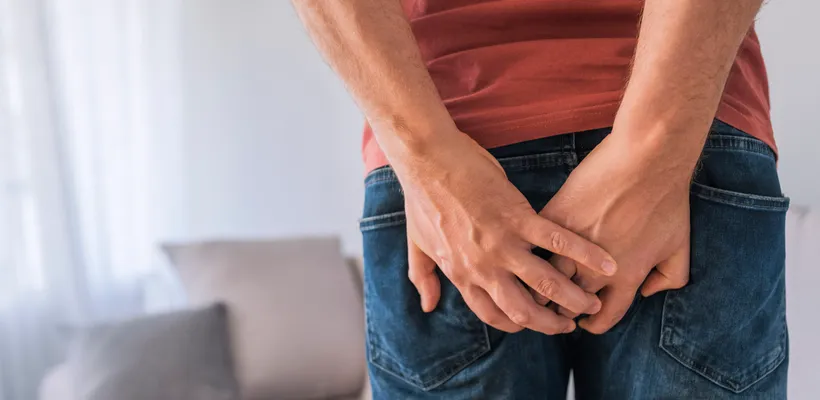
Why Do Hemorrhoids Leak and Smell?
The unpleasant odor associated with hemorrhoids can stem from several factors. One primary reason is the leakage of mucus from the anus, which can mix with sweat and bacteria in the area, resulting in a bad odor. Additionally, if hemorrhoids become infected or ulcerated, they may produce a foul smell due to the presence of bacteria. The combination of inflammation, bacteria, and leakage creates the conditions for hemorrhoids to stink.
So what is the leak? The lining of the rectum normally makes a little mucus to help stool pass. When internal hemorrhoids swell or slip out of the anus (prolapse), they can stop the anus from closing fully. Mucus, and sometimes a small amount of stool, can then seep out, especially after a bowel movement or when you are active. Prolapsed hemorrhoids also make more mucus than usual. Swollen tissue and skin tags can make the area harder to wipe clean, so small traces stay on the skin and cause odor and itching.
How to Treat Hemorrhoid Smell
If you’re dealing with hemorrhoids and odor, the good news is that there are ways to manage this problem. Here are some effective strategies:
Maintain Hygiene:
Keeping the anal area clean is crucial. Gently washing the area with mild soap and warm water can help reduce the odor. Avoid using harsh soaps or wipes that can irritate the skin further.
Dietary Changes:
Increasing your fiber intake can help soften stools and reduce the strain during bowel movements, which may help prevent further irritation and leakage. Foods rich in fiber include fruits, vegetables, whole grains, and flaxseed. A fiber supplement such as Coloflax Fiber Gummies can help if your diet falls short.
Consider Medical Treatment:
If your hemorrhoids are causing significant discomfort or odor, it may be time to consult a healthcare professional. We offer a range of effective treatments, such as rubber band ligation, Transanal Hemorrhoidal Dearterialization (THD), and hemorrhoidectomy (surgical removal), that can remove or reduce hemorrhoids. Booking an appointment with us for a consultation can help you determine the best course of action to address your symptoms.
Use Protective Pads:
If leakage is a problem, wearing protective pads can help absorb excess moisture and reduce odor. These pads are designed to be discreet and comfortable, making them a practical solution for managing symptoms throughout the day.
Stay Hydrated:
Drinking plenty of water can help prevent constipation, which is a major factor in the development and exacerbation of hemorrhoids. Staying hydrated ensures that your bowel movements are softer and easier to pass, reducing the risk of further irritation.
A Daily Hygiene Routine to Control Odor
A simple routine, done every day, is the most effective way to control smell and staining:
- Rinse, don’t scrub: after a bowel movement, clean with warm water using a bidet, handheld shower or squeeze bottle, or sit in a shallow sitz bath for a few minutes.
- Pat dry: use soft toilet paper or a clean cotton towel and pat gently. Moisture left on the skin feeds bacteria and odor.
- Use fragrance-free products: choose unscented, alcohol-free wipes and a mild soap only on the outer skin.
- Protect the skin: a thin layer of a barrier cream, such as zinc oxide, can protect skin that is often damp.
- Wear breathable underwear: loose cotton underwear lets the area stay dry. Change it if it gets damp.
- Change pads often: if you use a pad or a folded piece of gauze, change it as soon as it is damp.
Avoid: scented wipes, perfumed soaps and powders, baby wipes with alcohol, and wiping hard or many times. These irritate the skin and can make leakage and itching worse.
How Treatment Stops the Leak
When prolapsed internal hemorrhoids are the cause, treating them usually stops the mucus leak, because the anus can close properly again. Your doctor will suggest an option based on the size of your hemorrhoids:
- Rubber band ligation: a quick office procedure that shrinks small to medium internal hemorrhoids so they no longer slip out.
- THD: reduces the blood supply to larger hemorrhoids and lifts prolapsing tissue back into place.
- Hemorrhoidectomy: surgical removal for large hemorrhoids that stay outside the anus.
Removing a large skin tag that makes cleaning difficult can also help with odor.
Will Hemorrhoids Go Away on Their Own?
Mild hemorrhoids often improve with the self-care steps above. Hemorrhoids that keep prolapsing and leaking usually do not settle on their own and are better treated. Read more in will hemorrhoids heal on their own?
Is It Hemorrhoids or Something Else?
Hemorrhoids are a common cause of anal leakage and odor, but not the only one. Other causes include:
- Anal fistula: a small tunnel from inside the anus to the skin. It often leaks pus or blood-stained fluid from an opening near the anus and keeps coming back.
- Perianal abscess: a painful, swollen, red lump with pus, often with fever. It needs prompt treatment.
- Anal fissure: a small tear that causes sharp pain with bowel movements, a little bright red blood and sometimes a discharge.
- Fecal incontinence: weak or damaged muscles let stool leak without warning, even when hemorrhoids are not swollen.
- Anal warts: small growths that can trap moisture and cause itching and discharge.
- Skin infections: yeast or bacterial infections of the skin can cause itching, a rash and a smell.
When to See a Doctor
Make an appointment if you notice any of these:
- Pus, or a foul discharge with pain, swelling or fever
- Bleeding from the anus, or blood in your stool
- Seepage that happens every day or is getting worse
- A lump that will not go back inside
- Symptoms that have not improved after two weeks of home care
These problems are common, and a colorectal specialist sees them every day. There is no need to feel embarrassed.
Hemorrhoids can be an uncomfortable and embarrassing condition, especially when accompanied by odor. Understanding the causes of this issue, such as mucus leakage and bacteria on the skin, can help you take the necessary steps to manage it. Maintaining good hygiene, using appropriate treatments, and seeking medical advice when necessary can all contribute to reducing the odor associated with hemorrhoids. If you’re dealing with hemorrhoids and odor, don’t hesitate to take action.
Learn more about hemorrhoid treatment at ColoWell America, or book a private visit with Dr. Shiraz Farooq, a board-certified colorectal surgeon, to find the cause of your symptoms.
Hemorrhoid Leakage and Odor FAQs
Why do my hemorrhoids leak mucus?
Swollen or prolapsed internal hemorrhoids can stop the anus from sealing fully, and they also make extra mucus. The mucus seeps out, often after a bowel movement, and can stain underwear and irritate the skin.
Can hemorrhoids cause a fishy or foul smell?
They can. Mucus and small traces of stool mixed with sweat and skin bacteria can smell unpleasant. A strong foul smell with pain, pus or fever may mean an infection or abscess, so see a doctor.
How do I stop anal leakage from hemorrhoids?
Rinse with water after bowel movements, pat dry, wear cotton underwear and keep stools soft with fiber and water. If leakage continues, treating the hemorrhoids themselves is usually what stops it.
Is anal discharge always caused by hemorrhoids?
No. Fistulas, abscesses, fissures, bowel control problems, warts and skin infections can all cause discharge. A short exam can find the cause so you get the right treatment.
Will hemorrhoid banding stop mucus leakage?
If prolapsing internal hemorrhoids are causing the leak, banding often helps because it shrinks them so the anus can close properly again. Your doctor will check first whether the hemorrhoids are the cause.
-Disclaimer-
The information provided on this website is for educational and informational purposes only and is not intended as medical advice. Always consult with a qualified healthcare provider regarding any medical concerns, conditions, or treatment options. Individual results may vary. The information provided or services described are not intended to diagnose, treat, cure, or prevent any disease. Any medical or aesthetic procedure should be discussed thoroughly with a licensed professional before beginning treatment.